The most expensive square meters in the palace
Walk into a true palace hotel and the bathroom often costs more per square meter than the bedroom. That is where palace hotel bathroom design marble luxury ambitions are laid bare, from the first cool touch of white marble underfoot to the way the lighting flatters your skin after a long flight. In a world of copy paste luxury bathrooms, the properties that treat this intimate room as a stage for serious interior design are the ones that earn your repeat bookings.
For owners, the economics are ruthless yet clear ; a full bathroom renovation in a palace suite can quietly absorb a double digit share of the total room refurbishment budget. Marble bathrooms require structural reinforcement, specialist artisans, and custom marble tile cutting, which makes each square meter of bathroom marble significantly more expensive than the bedroom floor. Yet guests spend more waking time in these bathrooms than in the lobby, so the return on this luxury interior investment is measured in loyalty, not just nightly rate.
Think of the bathroom as the property’s manifesto in stone and water. A marble bathroom with a generous freestanding tub, a perfectly aligned marble vanity, and silent stainless steel fixtures signals long term commitment, while a cramped room with fussy tile and weak lighting whispers cost cutting. When you compare bathrooms across palace hotels, you are really comparing their long range room design priorities and their belief in timeless comfort over short term trends.
How marble choices reveal a palace hotel’s true ambitions
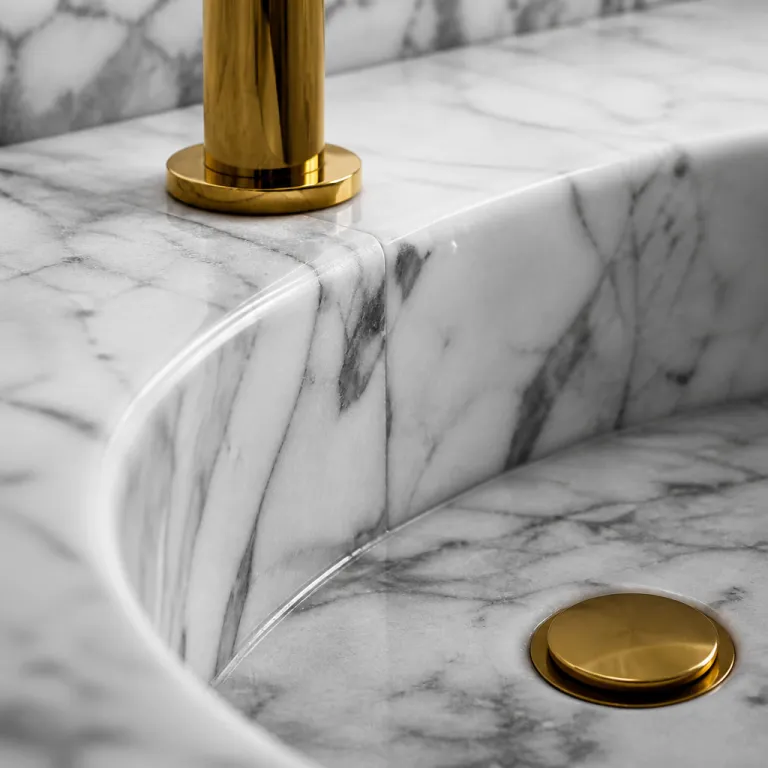
Not all marble is created equal, and palace hoteliers know that every slab speaks. Carrara marble, with its soft grey veining, reads as scholarly and timeless, while brighter white marble from Calacatta quarries feels more theatrical and suited to a showpiece luxury bathroom. When you see regional natural stone used alongside imported marble tile, you are reading a coded message about the property’s cultural confidence and budget discipline.
In heritage European bathrooms, cool white carrara often wraps the walls, while a darker black marble defines the vanity or frames the marble bathtub like a picture. Asian palace hotels sometimes reverse the script, using warm toned stone on the floor and a clean white marble vanity to keep the space feeling light in humid climates. Either way, the best bathroom designs use contrast sparingly, letting one hero material carry the room rather than cluttering the interior with competing bathroom ideas.
Look closely at the details when you tour photos before booking. Precision cut marble tile that aligns perfectly at corners, discreet stainless steel drains, and a freestanding tub carved from a single block of bathroom marble all signal serious investment. Properties that treat marble bathrooms as long term infrastructure rather than decorative surfaces are usually the ones that also care about acoustic privacy, water pressure, and the sensory blueprint of the space, themes explored in depth in this guide to sound, scent, and touch in palace hotel design.
From spectacle to daily ritual: where design meets function
The era of bathrooms built only for glossy photographs is fading fast. Today’s palace hotel bathroom design marble luxury standard is measured by how the space supports your daily rituals, from a jet lagged shower at 5 a.m. to a long soak after a city walk. Heated floor systems, intuitive lighting scenes, and quietly powerful ventilation matter as much as the veining on the marble vanity.
In the best luxury bathrooms, you will notice how the lighting changes with a single touch ; bright and clean for make up, then warm and low for a late night bath. Rain showers are positioned so water falls exactly where you stand, not against a cold marble wall, and the freestanding tub is angled to catch a view rather than a mirror. These are not accidents but the result of interior design teams who prototype bathroom designs the way architects test public rooms, often drawing on biophilic principles similar to those discussed in this piece on biophilic design in palace hotels.
Functionally luxurious bathrooms also respect sound and privacy. A marble bathroom can echo harshly if the room design ignores textiles and acoustic panels, so pay attention to how quiet the space feels when the door closes. When a palace hotel gets this balance right, the bathroom becomes a private spa, a warm retreat that quietly justifies the rate far more than any chandelier in the lobby ever could.
East versus West: different cultures, different bathing philosophies
Asian palace hotels often treat the bathroom as a sanctuary for extended bathing rituals, not just a place to get ready. In Tokyo or Kyoto, you may find a deep soaking bathtub set beside a marble tile wet room, with a separate hand shower for pre bathing cleansing. The space feels almost like a miniature luxury villa spa, with natural stone underfoot and lighting tuned to a soft, meditative glow.
By contrast, many European palace bathrooms still echo the grand houses they once were, where the bathtub was a symbol of status rather than a daily ritual. Here, a marble bathtub might sit beneath a window framed by heavy drapery, with black and white marble tile laid in a checkerboard pattern across the floor. The interior design language is more theatrical, but the best properties now pair this heritage look with modern comforts such as walk in showers, heated floor systems, and discreet stainless steel towel warmers.
For travelers, the key is to match your own habits to the property’s philosophy. If you value long, contemplative baths, look for Asian inspired luxury bathrooms with generous space, a freestanding tub, and room for tea or a book. If you prefer quick, powerful showers and a clean, efficient room, a European style marble bathroom with a strong focus on lighting, storage, and practical bathroom design details may suit you better.
Sustainability, heritage and the future of marble luxury
The tension between natural stone opulence and environmental responsibility is now impossible for serious palace hotels to ignore. Quarrying white marble or carrara marble has a heavy footprint, and shipping slabs across continents for one bathroom renovation raises questions that discerning guests increasingly ask. Some properties respond by reusing existing marble bathrooms, repolishing floors, and updating only the lighting, stainless steel fixtures, and behind the wall systems.
Others take a more radical approach, mixing reclaimed marble tile with regional stone and high quality composites that mimic bathroom marble without the same extraction impact. For you as a guest, the visual effect can still feel timeless and luxurious, especially when the room design prioritizes warm light, generous space, and a carefully placed bathtub. The most forward looking palace hotels now publish material sourcing data alongside their design stories, inviting guests to judge whether their palace hotel bathroom design marble luxury narrative aligns with responsible practice.
When you compare options on a specialist platform, pay attention to how each property frames its renovation story. A palace that boasts only about white marble and marble vanity finishes, without mentioning water saving technology or long life bathroom designs, may be chasing short term glamour. For a deeper sense of how values translate into design choices across an entire estate, this analysis of palace level performance metrics for luxury travelers offers a useful lens that goes far beyond the guest room.
How to read a palace bathroom before you book
Photos of palace hotel bathrooms can be seductive, but they also reveal hard truths if you know where to look. Start with the layout ; a generous, well planned bathroom design will show clear circulation, with the vanity, shower, and bathtub each enjoying their own space rather than crowding one another. If the room feels cramped in images, it will feel even smaller in person, no matter how much marble or tile has been installed.
Next, study the details that rarely make it into marketing copy. Are there separate his and hers marble vanity areas, or at least enough countertop space for two people to unpack without chaos ? Do you see warm and cool lighting options, a clean floor without clutter, and storage that keeps the interior from feeling like a product display ? These clues tell you whether the palace hotel bathroom design marble luxury story is built for real travelers or just for social media.
Finally, consider how the bathroom connects to the rest of the room. A sliding door that leaves gaps may compromise acoustic privacy, while a solid, well sealed door suggests the property understands that this room is a retreat. When a palace hotel aligns its bathrooms, bedrooms, and public spaces into one coherent luxury interior narrative, you feel it in the ease of your stay, from the first shower to the last late night soak before checkout.
FAQ
Why do palace hotels invest so much in marble bathrooms ?
Palace hotels invest heavily in marble bathrooms because these spaces drive guest satisfaction and repeat bookings more than almost any other room feature. High quality natural stone, thoughtful bathroom design, and durable fixtures reduce long term maintenance while signaling serious luxury. For many travelers, the bathroom is where the property’s real standards are revealed.
How can I tell if a marble bathroom is actually high quality ?
Look for precise joins in the marble tile, consistent veining across panels, and well aligned edges around the vanity and bathtub. High quality marble bathrooms also use solid stainless steel fixtures, strong water pressure, and well designed lighting rather than relying only on glossy surfaces. If the layout feels generous and the space functions smoothly, the quality usually matches the visuals.
Is carrara marble better than other types of marble for palace bathrooms ?
Carrara marble is popular in palace bathrooms because its soft grey veining feels timeless and works well with both black and white accents. It is not inherently better than other stones, but it offers a classic look that ages gracefully and suits many interior design styles. The best choice depends on the property’s architecture, light levels, and overall room design.
Are luxury marble bathrooms compatible with sustainable travel values ?
Luxury marble bathrooms can align with sustainable travel when hotels prioritize responsible quarrying, regional sourcing, and long life renovation strategies. Some palaces now reuse existing stone, mix marble with other natural materials, and install water saving technology behind the walls. As a guest, you can support these efforts by choosing properties that share transparent information about their material choices.
What should I look for in a palace bathroom if I travel solo ?
Solo travelers should prioritize a well lit vanity, intuitive storage, and a layout that feels safe and easy to navigate. A freestanding tub or generous shower, good acoustic privacy, and flexible lighting scenes can turn the bathroom into a personal spa during your stay. Checking floor plans and detailed photos before booking helps ensure the space matches your rituals and expectations.