From meiji era prison to Hoshinoya Nara palace stay
Hoshino Resorts is preparing one of the most closely watched luxury hotel openings in Japan, and the planned Hoshinoya Nara inside the former Nara Prison is already reshaping how travelers talk about heritage hospitality. The Meiji-era Nara Prison, a vast complex of iconic red brick and radiating wings, is being converted into an intimate high-end property that preserves its powerful historical character while promising contemporary comfort. For palace-level travelers used to imperial residences and royal châteaux, this conversion tests whether a former penitentiary in Nara city can stand alongside classic palace properties as an equally compelling destination.
The original prison in Nara was commissioned by the Ministry of Justice as part of a modernizing legal system, and its brick walls and star-shaped plan were later recognized as an Important Cultural Property by Japan’s Agency for Cultural Affairs, which lists the complex as a nationally protected site. Those same historic walls, once enclosing more than 900 inmates, will now frame guest rooms where the Hoshinoya brand intends to fill the former cells with warm timber, soft textiles, and precise Japanese design rather than iron bars. In its official project outline on the Hoshino Resorts website, the company states that the opening of Hoshinoya Nara Prison is scheduled for June 25, 2026, and that the hotel will offer 48 guest rooms within the preserved red brick compound.
For travelers tracking palace conversions worldwide, the Hoshinoya Nara project sits in the same adaptive reuse conversation as The Liberty in Boston or Het Arresthuis in the Netherlands, yet the Japanese context feels sharper and more ceremonial. This is the first luxury hotel created from a prison in Japan, and the only one embedded in a city where UNESCO temples, a deer-filled park, and a former capital’s axial streets sit just minutes by car from a red brick correctional facility. That tension between spiritual Nara and the institutional site underpins why the upcoming opening of this Hoshinoya-branded prison conversion is already on every serious luxury travel watchlist.
Within the Hoshino Resorts portfolio, Hoshinoya Nara will join siblings such as the hot spring focused Kai resorts and the more urban Omo properties, yet this Nara city project carries a different weight. The Hoshinoya brand philosophy has long insisted that each property must reflect its locale through architecture, ritual, and daily programming, and here that means engaging directly with the prison museum narrative rather than erasing it. In a statement quoted in regional media, a Nara city official described the redevelopment as “a way to preserve an important symbol of modern Japanese legal history while opening it to the world in a thoughtful manner,” underscoring the civic expectations around the hotel.
The national cultural status of the Nara Prison site means that Hoshino Resorts must work within strict preservation guidelines, keeping the iconic red brick facades and many interior brick walls intact. Architectural restoration teams, led according to local reporting by specialists in historic brick construction, are using modern seismic reinforcement and concealed steel framing to stabilize the historic walls while carving out guest rooms that respect the original proportions. This balance between conservation and comfort will define the Hoshinoya Nara experience for travelers who value heritage restoration as much as thread count, and many will be watching closely to see how the conversion handles details such as window bars, corridor widths, and the transition from cell doors to suite entrances.
For those planning a trip, the location is practical as well as symbolic, since the property sits in Nara city within easy reach of Nara Station and the main temple district. The drive from the station to the prison complex takes only several minutes by car, yet the shift from commercial streets to the solemn red brick compound feels dramatic. That sense of arrival, more often associated with palace gates or castle bridges, is part of why this former prison in Nara is being positioned as a new kind of urban palace within the Hoshino Resorts universe and a notable addition to Japan’s roster of cultural destination hotels.
Designing a palace from cells: architecture, art and guest experience
The design brief for Hoshinoya Nara reads unlike any other luxury hotel conversion in Japan, because architects must turn institutional geometry into a palace-like retreat without softening the profound historical story. Long corridors that once marched past rows of cells will become circulation spines for guest rooms, and the team must decide how much of the prison museum atmosphere to retain in the finished property. For travelers who usually compare palace staircases or ballroom proportions, the question here is whether a former prison in Nara can offer equally cinematic moments through light, shadow, and the rhythm of brick walls.
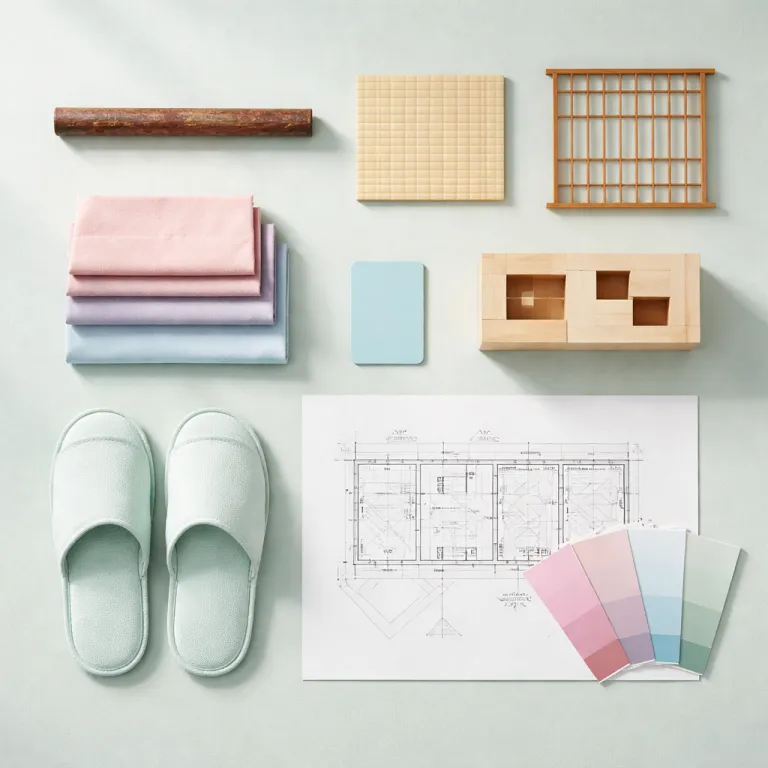
Early plans shared by Hoshino Resorts indicate that the red brick exteriors and the star-shaped plan from the Meiji era will remain legible, while interiors will layer in warm woods, tatami textures, and precise lighting to soften the historic walls. Some guest rooms will reportedly occupy former cell ranges, and designers are expected to fill these spaces with custom furniture that references both traditional Nara craft and the minimalist language of the Hoshinoya brand. Sample room concepts mentioned in local briefings include compact suites that combine two former cells into a single space and larger corner rooms that follow the angles of the star-shaped wings, each using shoji-style screens and low, platform-style beds to create a meditative atmosphere.
Public spaces will likely carry much of the emotional weight, since they must bridge the gap between institutional past and present-day luxury hotel expectations. A central hall that once organized surveillance lines may now host art installations, quiet lounges, or even a small museum-style gallery explaining the history of Nara Prison and its role in modern Japan. For travelers who appreciate palace hotels that double as living museums, this new Hoshinoya property could offer a rare chance to sleep inside a piece of legal and architectural history rather than just tour it.
Within the broader Hoshino Resorts ecosystem, the contrast with the hot spring focused Kai properties and the neighborhood centric Omo hotels is instructive. Kai resorts tend to foreground onsen rituals and rural landscapes, while Omo hotels lean into urban energy and local food scenes, yet Hoshinoya Nara must synthesize both approaches inside a walled compound. The property will need to fill its courtyards and former exercise yards with contemplative gardens, art pieces, or perhaps small pavilions that echo palace cloisters more than prison yards.
For palace-stay.com readers used to comparing royal boxes at opera houses or private loges at stadiums, the adaptive reuse here invites a different kind of cultural itinerary. A stay at Hoshinoya Nara could pair with a refined heritage sports experience such as a Premier League match enjoyed from a hospitality suite, as explored in our guide to a Crystal Palace versus Newcastle luxury and heritage experience. Both speak to how contemporary luxury travel uses historic venues, whether a football ground or a Meiji-era prison, as stages for new forms of high-end leisure.
Inside the Nara city property, programming will be crucial to ensure that the guest experience feels reflective rather than voyeuristic. Expect the Hoshinoya brand to commission site-specific art that responds to the brick walls and to curate museum-quality storytelling about the building’s role in the justice system, possibly in collaboration with local historians and former museum staff. In early comments reported by regional media, a Nara city representative emphasized that interpretation should “honor the people who lived and worked here while allowing visitors to engage with the site in a calm, respectful way,” signaling how carefully the narrative will be handled. For guests, this may translate into evenings that alternate between quiet contemplation in a former cell block lounge and refined kaiseki-style dinners that reference regional Nara ingredients, creating a rhythm closer to a palace retreat than a conventional city hotel.
Planning a stay: how to read this bold conversion as a traveler
For independent travelers considering a booking, the first step is to understand that Hoshinoya Nara is not a themed novelty but a serious adaptive reuse of a designated national cultural property. The Nara Prison complex, with its iconic red brick facades and carefully preserved historic walls, will operate as both a luxury hotel and a kind of living prison museum where interpretation is woven into daily life. That dual identity makes the 2026 opening particularly relevant for palace-stay.com readers who already seek out grand hotels that function as cultural institutions.
Location remains a strong advantage, since the property sits within Nara city and lies only a short ride of several minutes by car from Nara Station and the main temple axis. This allows guests to move easily between the solemnity of the former prison site and the open spaces of Nara Park, where sacred deer roam near Todai-ji Temple and other UNESCO-listed monuments. A stay here can therefore fill several days of travel with a layered itinerary that moves from spiritual precincts to institutional history and back to the calm of carefully designed guest rooms.
For those who curate trips around iconic destinations, Hoshinoya Nara joins a growing list of palace-level conversions that turn unlikely buildings into high-end retreats. Our readers who appreciate refined cinema-focused stays, such as those outlined in this guide to a palace style stay near a major cinema complex, will recognize the same attention to narrative and place-making here. The difference is that in Nara, the narrative runs through the Ministry of Justice archives, the Meiji-era penal reforms, and the red brick geometry of a prison that is now being reframed as a palace of quiet hospitality.
Ethical questions inevitably arise when a former prison becomes a site of luxury, and discerning travelers should engage with them rather than look away. Hoshino Resorts has framed the project in its press materials as a way to preserve a national cultural asset, and the presence of a prison museum component within the property should help maintain a respectful tone. Guests can choose to spend time in interpretive spaces, read about the inmates who once lived behind these brick walls, and reflect on how their own stay intersects with that profound historical narrative.
From a practical standpoint, early interest suggests that the opening June period and the first full season will book quickly, especially among domestic travelers who follow the Hoshino brand closely. Prospective guests will be able to reserve stays through the official Hoshinoya Nara booking page once reservations open, with room categories likely ranging from compact suites created from paired former cells to larger corner rooms and premium suites that occupy distinctive sections of the star-shaped wings. While exact rates have not yet been published, travelers can reasonably expect pricing to align with other Hoshinoya flagship properties, positioning this Nara city hotel firmly in the upper tier of Japan’s luxury accommodation market.
As the Hoshinoya Nara project moves toward its official June 25, 2026 opening date, it crystallizes a broader shift in how luxury travel engages with difficult heritage. Instead of smoothing over the past, this property in Nara city will invite guests to sleep within historic walls that once symbolized state power, now reinterpreted through careful design, art programming, and the quiet rituals of Japanese hospitality. For palace-stay.com readers, it offers a new kind of palace stay, one where the grand staircase is replaced by a watchtower view, and where the most memorable corridor may be the one that still whispers of its former life as a prison.