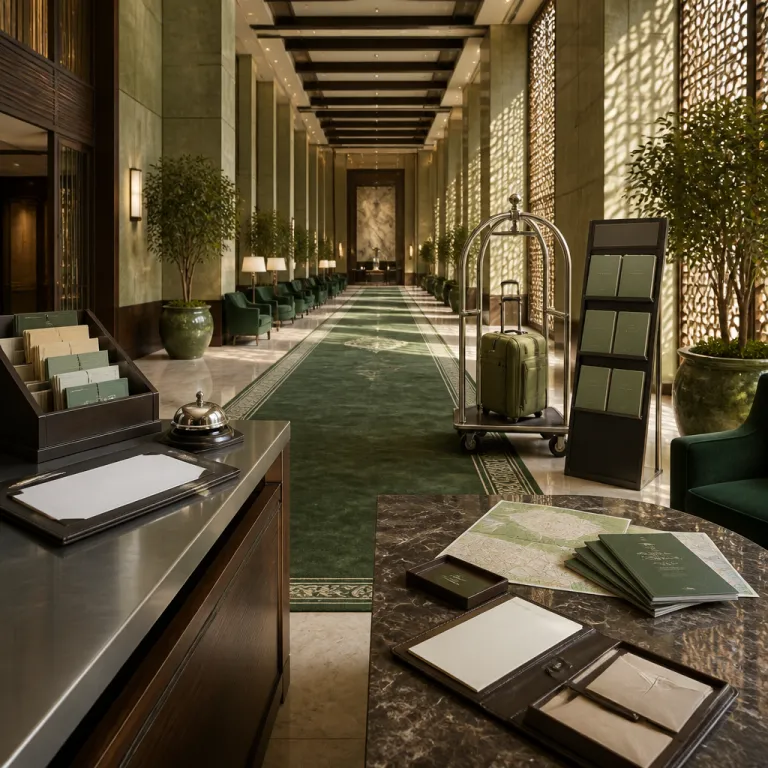
How palace hotel concierge service elevates luxury travel while you stay
In a true palace hotel, the concierge is not a polite extra; the palace-level concierge team is the quiet operating system of your stay. Their desk sits just off the front desk, close enough to the lobby staircase to see who is arriving late from a flight and who is returning early from a disappointing room experience. That proximity to the flow of guests gives the concierge a live feed of what the property can really do on any given night.
Think of the concierge desk as the city’s control room, especially in dense urban palaces from Paris to San Francisco. A seasoned palace hotel concierge knows which subway station entrance is safest at midnight, which nearby gallery will open a side door for a private viewing, and which dining room will hold your table even when your meeting runs thirty minutes over. This is where high-touch concierge service in luxury travel becomes tangible, not theoretical, turning a grand address into a practical base for every hour of your stay.
When you check in, the front desk will confirm your room number and handle the formalities, while the concierge listens for clues about your priorities. Are you asking about room features, late check-out, or special requests such as a quiet floor and a standing desk for work calls? Those details are logged, often now in AI-assisted systems that remember preferences across stays, so your next palace stay begins with the right pillows already in place and the right services already queued.
What a travel advisor does that a palace concierge never will
A travel advisor sits outside the hotel ecosystem, which changes the incentives and the scope of what they can design for your trip. Where a palace hotel concierge service in luxury travel focuses on the radius around one property, a strong advisor looks at your entire itinerary, from the first airport lounge to the last late check-out. They work across a collection of palace hotels, often within a Luxury Collection or similar portfolio, and can compare how each property will actually fit your style.
For a business-leisure executive extending a San Francisco board meeting into a long weekend, a travel advisor can line up three different experiences before you even book the room. They might suggest one palace hotel for its heritage suites, another property for its spa and invisible wellness programming, and a third for its proximity to a key subway station and financial district clients. Matching that to your habits is easier when you understand what your travel style reveals about your ideal palace hotel.
Travel advisors also operate on different commercial terms than in-house concierge services, which matters when you care about value as much as luxury. Many advisors are paid through commissions from hotel and travel partners, but they are accountable for the entire trip, not just one stay, so they tend to protect long-term relationships. As one expert summary puts it, “How does a travel advisor differ from a travel agent? Travel advisors offer personalized trip planning; agents focus on bookings.”
Incentives, commissions and how to read a recommendation
The most sophisticated guests know that not every smiling recommendation from a concierge desk is neutral. In many palace hotels, concierge services receive commissions from certain restaurants, tour operators or car services, which can subtly tilt suggestions away from the most interesting experiences. That does not mean the advice is bad, but it does mean you should listen for nuance and ask for options rather than a single answer.
When a palace hotel concierge service in luxury travel is truly guest-centric, you will hear conditional language and context. A good concierge might say that one nearby dining room offers the best seafood but another has a quieter corner table for negotiations, then ask which matters more for this particular evening. You can also ask directly whether the hotel has a commercial relationship with a recommended operator, and the most trustworthy concierges will answer clearly, sometimes even disclosing approximate commission ranges, such as 5–15% on restaurant or tour bookings, based on typical industry practice.
Travel advisors face their own incentive structures, often balancing supplier commissions with planning fees. Yet they are judged on the entire collection of experiences they assemble across cities, not just one dinner near your current room. For complex itineraries, many travelers now use both, relying on the advisor for macro decisions and the concierge for micro adjustments, while AI tools quietly track preferences and support contactless check-in, room features and even subtle wellness touches highlighted in guides to invisible wellness in palace hotels.
Where AI fits into palace hotel concierge service luxury travel
Palace hotels are experimenting with AI-powered concierge systems that sit behind the polished marble of the front desk. These platforms remember that you prefer a corner room on a high floor, that your last stay included several special requests for hypoallergenic bedding, and that you always ask the concierge desk for a running route of exactly eight kilometres. Over time, the system can suggest room features and experiences before you even think to ask, surfacing patterns that a human might miss during a short conversation.
For guests, the most visible change is often contactless check-in and messaging. Instead of queuing at the desk, you can check in via app, confirm your room number, and send questions to the concierge through chat while your car is still crossing the San Francisco bridge or winding up to a hillside palace. The AI filters routine queries about the nearest subway station or breakfast hours, leaving human concierges free to focus on high-stakes experiences and emotionally charged moments.
Yet when the moment matters, most travelers still want a human voice. No algorithm can read the tension in a guest’s shoulders when they say they need a table for two, somewhere quiet, tonight, after a difficult board meeting. For those anniversary dinners and once-in-a-lifetime experiences, the palace hotel concierge service in luxury travel remains irreplaceable, using AI as a discreet assistant rather than a substitute, as explored in many invisible wellness and service design case studies.
How to use both: a hybrid strategy for serious travelers
The most effective approach is not choosing between a palace hotel concierge and a travel advisor, but choreographing both. Before you book, work with an advisor who understands palace properties, from a historic palace hotel in San Francisco to a lakeside residence in Europe, and who can compare each hotel option across a wider luxury collection. They can secure preferred rates, potential upgrades and value-added amenities that a single property cannot always offer directly.
Once the stay is confirmed, shift your focus to the in-house concierge services. Share your full schedule, including meeting times, likely late finishes and any personal experiences you want to weave around work, such as a tasting menu or a discreet visit to a nearby gallery. This is also the moment to flag special requests, from a particular room feature like a large desk and strong lighting to a specific dining preference such as no shellfish or a need for early breakfast before the first subway station commute.
During the stay, keep your travel advisor in the loop only for structural changes, such as extending the trip or adding another palace to the itinerary. Use the concierge desk for tactical moves: shifting a dinner reservation by an hour, finding a quiet bar after a late meeting, or arranging a last-minute car to the airport when the subway station is closed. This hybrid model turns palace hotel concierge service and luxury travel planning into a layered safety net rather than a single point of failure.
Practical playbook: questions to ask and details to share
To get the best from any palace hotel, you need to ask sharper questions and share more context than most guests ever do. Start with your travel advisor, outlining not just dates and room category, but the purpose of the stay, the number of meetings, and how you like to unwind. Ask explicitly which properties in their collection have the strongest concierge services, the most flexible front desk teams and the room features that match your working style.
On arrival, treat the concierge desk as your local strategist rather than a ticket office. Tell them how long you will stay, whether you prefer to move by car or subway station, and what kind of dining experiences you value most, from quiet power lunches to more relaxed evenings that might include something playful like the gourmet burger palace experiences highlighted in specialist palace dining guides. The more they understand your rhythm, the better they can shape each day and pre-empt friction points.
When in doubt, use simple, direct prompts. Ask, “If you were planning this evening for yourself, where would you book and why?” or “What services does a hotel concierge provide? Assists with local reservations and recommendations.” Then follow up with specific questions to the concierge about nearby options, realistic travel times and any hidden constraints, such as dress codes or limited seating, so that palace hotel concierge service in luxury travel becomes a tailored script rather than a generic brochure.
Case study: one San Francisco palace, two planning strategies
Consider a three-night stay at a landmark palace hotel in San Francisco, a property within a major Luxury Collection, for a senior executive combining board meetings with a private celebration. In scenario one, the guest books directly, relying only on the front desk and in-house concierge services once they arrive. In scenario two, the same guest works with a travel advisor weeks in advance, then uses the concierge desk for on-the-ground refinements.
In the first scenario, the guest may secure a good room but miss out on a higher category upgrade or added amenities that an advisor could have negotiated across the wider collection of palace hotels. They will still benefit from the palace hotel concierge service in luxury travel, gaining access to nearby dining, last-minute theatre tickets and practical guidance on which subway station to use after dark. Yet the experience remains reactive, shaped by what is available at the moment of check-in and by how much the guest chooses to ask.
In the second scenario, the advisor pre-arranges a specific room number with preferred room features, confirms late check-out, and notes special requests such as flowers and a private dining room for a celebration. On arrival, the concierge desk already has this context, allowing them to fine-tune experiences, from a discreet driver to a curated list of restaurants that match the guest’s style. As one long-time San Francisco concierge, Maria Lopez, puts it, “When an advisor shares the story behind a stay, we can turn a good visit into a memory.” The result is a stay where every layer, from booking to farewell at the front desk, feels orchestrated rather than improvised, illustrating how advisors and concierges complement rather than replace one another.
Key figures that shape your choice
- According to a 2023 NerdWallet survey on travel planning habits, around 70% of surveyed travelers cited travel advisors’ access to exclusive deals as a major reason to use them, which directly affects the value equation when comparing a palace hotel concierge with an external advisor (source: NerdWallet, “How Americans Are Traveling in 2023,” published 2023).
- Industry reports from organizations such as the American Society of Travel Advisors (ASTA) show a marked increase in the use of travel advisors for complex, multi-destination trips, reflecting a growing demand for personalized travel experiences that extend beyond what a single property can coordinate (see ASTA research summaries on post-pandemic travel trends).
- Guest feedback across luxury properties consistently highlights concierge services as one of the top three drivers of satisfaction, especially when concierges can secure last-minute dining and cultural experiences that online platforms show as fully booked, according to internal guest-satisfaction reporting shared in many luxury hotel case studies.
- Palace hotels in major cities report rising adoption of contactless check-in and digital concierge messaging, with internal data often indicating higher engagement from business travelers who value time savings over traditional desk interactions, as noted in recent hospitality technology white papers.
FAQ
What services does a palace hotel concierge typically provide ?
A palace hotel concierge typically assists with local reservations, transportation, cultural access and tailored experiences around the property. As one verified explanation states, “What services does a hotel concierge provide? Assists with local reservations and recommendations.” In the palace segment, this often extends to private museum tours, after-hours shopping and complex multi-stop itineraries during your stay, in line with descriptions from professional bodies such as Les Clefs d’Or.
How does a travel advisor differ from booking directly online ?
When you book directly online, you manage each element of the trip yourself and rely on standard inventory and public rates. A travel advisor, by contrast, designs the entire experience across multiple palace hotels, often accessing preferred rates, upgrades and amenities through consortia relationships such as Virtuoso or Signature Travel Network. They also provide accountability across the full journey, not just one room or one night.
Are travel advisors more expensive than planning independently ?
Travel advisors may charge planning fees, especially for complex itineraries, but they can also access exclusive deals and value-added benefits that offset those costs. As one dataset answer notes, “Are travel advisors more expensive than booking independently? They may charge fees but can access exclusive deals.” For high-value palace stays, the net effect is often better overall value rather than higher expense, particularly when upgrades, credits and flexible terms are factored in.
When should I rely more on the palace concierge than on my advisor ?
The palace concierge is most effective for in-stay decisions that depend on real-time availability and local nuance. Use them for last-minute dining, same-day cultural experiences, transport adjustments and any special requests that emerge once you are on property. Your advisor remains the better partner for structural changes, such as extending the trip or adding another destination, where their broader view of palace hotel options matters more.
How can I tell if a concierge recommendation is commercially motivated ?
You can ask directly whether the hotel has a commercial relationship with a recommended restaurant or operator, and a transparent concierge will answer clearly. Pay attention to whether they offer several options with pros and cons, or push a single choice without context. When in doubt, request an alternative that the concierge would choose for their own friends or family, which often reveals their genuine view and helps you interpret any commission-based incentives in play.