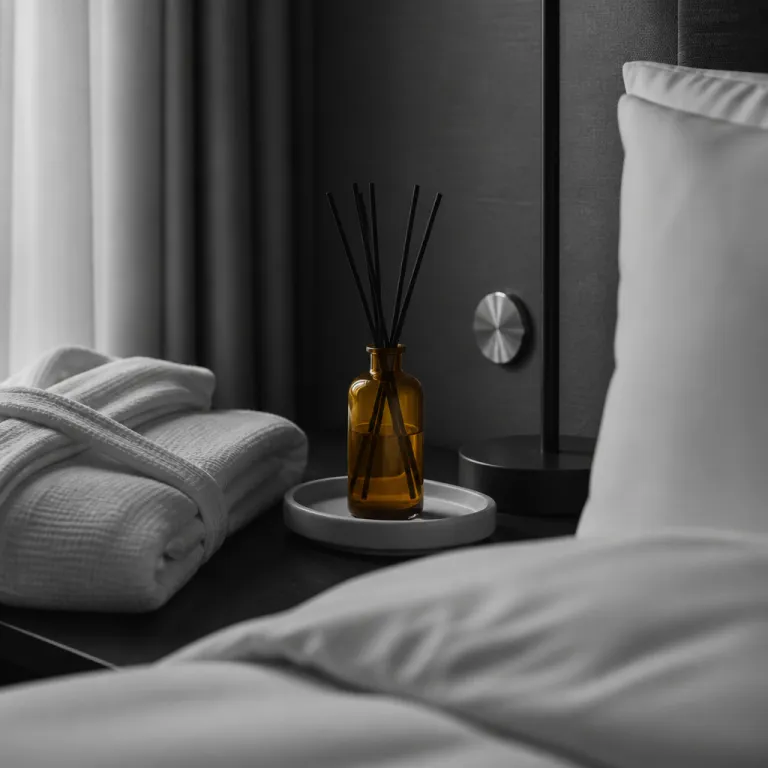
Invisible wellness luxury palace hotel design starts in the room
The most convincing form of invisible wellness in a luxury palace hotel begins where you close the door and exhale. In the best grand hotels, the guest experience is shaped by light, air, acoustics and space long before you notice the interiors or read a spa wellness brochure. When a residence has been quietly designed around how you work, rest and sleep, you will feel unusually restored without quite knowing why.
Invisible wellness in hospitality means the room itself behaves like a wellness retreat. Palace properties now treat every square metre of real estate as a chance to enhance guest well being, using circadian light, low VOC materials and acoustic engineering that respect heritage plasterwork and stone. This design forward mindset is shaping hospitality more than any new restaurant opening or brand collaboration, and it underpins projects from Raffles Singapore to Aman Venice, where historic architecture hides contemporary wellness systems.
One reliable sign is how the property handles light from dawn to late evening. Circadian lighting systems typically shift colour temperature from around 2700K in the evening to 5000–6500K in the morning so that a north facing space with a limited view still supports your natural sleep wake cycle. In palace hotels where walls are load bearing stone, integrating this level of interior design without disturbing frescoes or cornices is a technical art that often involves concealed LED coves and wireless controls rather than invasive rewiring.
Another quiet revolution sits in the air you breathe. Advanced HVAC systems with HEPA or ISO 16890 rated filtration and humidity control now sit behind centuries old walls, turning a historic residence into a wellness forward sanctuary without visible gadgets. ISO 16890, for example, classifies filters by their efficiency at capturing PM₁₀, PM₂.₅ and PM₁ particles, so a filter in the ePM1 80% class can remove the majority of fine particulates that affect respiratory comfort. When operable windows open towards a private park or courtyard, the mix of fresh air and filtered systems can enhance guest comfort far more than a scented candle, especially when indoor relative humidity is kept in the 40–60% range recommended by building health guidelines.
For travellers booking through a luxury focused hotel platform, the invisible wellness question is simple. Ask how the property has designed rooms for sleep, silence and air quality rather than only for marble bathrooms and chandeliers. The palace that answers in detail about materials, soundproofing and light control will set a very different tone for your stay, and may even reference certifications such as WELL Building Standard, LEED or BREEAM as shorthand for this deeper design work.
Circadian light, acoustics and the new language of palace comfort
Look closely at any serious invisible wellness luxury palace hotel design and you will notice how light is choreographed. Ceiling coves, bedside lamps and even corridor sconces are tuned so that you will feel alert in the morning and gently slowed in the evening, even if your daily life crosses time zones. This is not theatrical lighting; it is hospitality using science to shape how you experience the property, drawing on research from bodies such as the Illuminating Engineering Society about melanopic lux and sleep quality.
Acoustic engineering is just as critical, especially in urban hotels where traffic and nightlife press against historic façades. Behind silk wall panels and carved doors, layers of insulation and soundproofing technologies create spaces and experiences where you can work, rest or meditate without hearing the lift or the bar. Well executed palace conversions often aim for bedroom noise levels below 30 dB at night, a threshold associated with better sleep in World Health Organization night noise guidelines, so that the guest experience becomes quietly luxurious rather than loudly opulent.
Scent is the most underestimated part of this invisible wellness language. Many palace hotels now use scent programming at threshold points so that the lobby, lift and corridor to your residence share a barely perceptible signature that calms the nervous system. You may only consciously notice the design of the interiors, yet your body reads the fragrance as a sign that you are somewhere safe, much as brands like Mandarin Oriental or Four Seasons have developed recognisable but subtle olfactory identities.
For business leisure travellers, this matters more than a long spa wellness menu. After a day of meetings, you return to a room where the light is warm, the air feels clean and the silence is complete, and your brain finally understands that it can work, rest and reset. That is invisible wellness doing its job better than any branded pillow spray, because the entire environment rather than a single amenity is supporting recovery.
When you compare palace hotels on a booking site, read beyond the word luxury and search for details about acoustic treatment, circadian systems and scent strategy. Properties that speak clearly about these elements usually have a chief creative officer or a design team working closely with wellness consultants and lighting or acoustic specialists. They are the ones quietly shaping hospitality for the next decade, whether the hotel sits above a casino resort or beside a royal park, as seen in some design led palace casino escapes highlighted in this guide to pairing palace stays with cinema and gaming.
Air quality, materials and biophilic interiors in heritage walls
Invisible wellness luxury palace hotel design becomes most complex when heritage rules meet modern health standards. Many palace hotels occupy protected real estate where walls are stone, ceilings are frescoed and window frames are listed, yet guests still expect wellness forward air quality and temperature control. The creative officer and the chief creative team must hide advanced HVAC systems so completely that you only notice how well you sleep, even when outside air quality indices fluctuate.
Biophilic design is the quiet ally here. A hospitality research study in the International Journal of Hospitality Management (for example, Browning, Ryan & Clancy, 2014, on biophilic design patterns) notes that natural elements in guest rooms correlate with higher satisfaction and perceived value regardless of room size. Palace properties translate this into interiors that bring the park or garden inside through natural materials, organic forms and curated greenery that soften grand spaces. You may book for the royal staircase, but you stay longer because the room feels like a private wellness retreat.
Materials matter as much as technology. Low emission paints certified to standards such as GREENGUARD Gold, natural fibres and responsibly sourced woods reduce irritants in the air, while stone and plaster help regulate humidity in a way that feels instinctively comfortable. When these elements are well designed, you simply appreciate design without understanding that your lungs and skin are also more at ease, and that volatile organic compounds are being kept within recommended limits.
Some of the most interesting examples sit in former private residences now operating as intimate palace hotels. In Florence, for instance, properties like those profiled in this look at private home style palace stays in a Renaissance city show how a residence can feel both historic and quietly health focused. Here, interior design choices such as breathable fabrics, operable shutters and layered lighting create spaces and experiences that support both work and rest, even in compact suites.
When you read a hotel privacy policy, you rarely think about wellness, yet it can signal how seriously a brand treats your data and your body. A palace that invests in air quality monitoring, material transparency and environmental certifications usually applies the same rigour to information security. That alignment between visible ethics and invisible wellness is becoming a new sign of true luxury in shaping hospitality, especially for guests who value both discretion and health.
How to read between the lines when booking a palace hotel
For travellers using a luxury and premium booking website for palaces, the challenge is translating marketing language into real invisible wellness. Many hotels will speak about spa wellness and fitness centres, yet say little about how the room itself is designed to enhance guest recovery. Your task is to read the description of each space as if it were a blueprint for how you will feel after three nights, not just a list of amenities.
Start with the basics of light, sound and air. Does the property mention double or triple glazing, blackout curtains, circadian lighting or air purification in the room description, or does it only highlight the view and the marble bathroom? When a palace hotel explains how its interiors are designed for sleep and silence, that is a strong sign of a wellness forward mindset, especially if it specifies decibel targets, filtration standards or independent building certifications.
Next, look at how the hotel describes its public spaces and experiences. Are there quiet lounges, garden terraces or library style rooms where you can work, rest or simply sit away from the lobby traffic, or is every area programmed for constant activity? A palace that respects stillness as much as spectacle usually offers a more balanced guest experience for business leisure travellers, who may need both social energy and deep focus in the same stay.
Then, pay attention to the language around materials and sustainability. References to natural stone, timber, breathable fabrics and low emission finishes suggest that the property understands how design can influence daily life, not just aesthetics. These details may not shout luxury, but they will set the tone for how your body responds to the space, and they often align with broader ESG commitments that you can verify in annual reports or sustainability statements.
Finally, use specialist resources that evaluate palace hotels through a wellness and design lens. Platforms that curate only high calibre properties, such as this insider guide to palace hotels worth the splurge in Budapest, often highlight invisible wellness features alongside heritage and service. When a reviewer talks about how a room made them feel rather than only what it looked like, you are reading the right kind of hospitality journalism and gaining clues about the property’s real performance.
What invisible wellness means for the future of palace hospitality
Invisible wellness luxury palace hotel design is not a passing trend; it is a structural shift in how high end hospitality thinks about value. Palace hotels that once competed on chandeliers and square metres now compete on how completely a room supports sleep, focus and emotional decompression. This is reshaping hospitality from the blueprint stage, long before a guest ever signs a registration card or opens a booking confirmation.
For owners and operators, the palace becomes both a status symbol and a living wellness retreat. Real estate decisions now weigh ceiling heights, window orientation and wall thickness not only for aesthetics but for acoustic and thermal performance that will enhance guest comfort. Design forward brands bring wellness consultants into early planning meetings alongside architects and interior designers, sometimes running simulations of daylight exposure, airflow and noise to guide investment.
For guests, the benefit is a new kind of quiet luxury. You arrive jet lagged, step into a residence where the light is soft, the temperature is balanced and the silence is complete, and within hours you will feel more human than you did at home. That is the power of spaces and experiences that have been meticulously designed around how bodies actually function, informed by sleep science, environmental psychology and building performance data.
Invisible wellness also reframes the role of the creative officer and the chief creative team. Their work is no longer just about visual drama; it is about orchestrating every sensory detail so that the palace feels both grand and deeply habitable in daily life. When they succeed, you simply appreciate design without ever thinking about circadian rhythms or decibel levels, even though those metrics shaped every decision.
As more palace hotels adopt these principles, the definition of luxury will set new expectations for travellers. Guests will start to ask how a property manages air quality, light and sound as naturally as they ask about Wi Fi or late checkout. The palaces that answer with specificity, not slogans, will be the ones that quietly lead the next chapter of global hospitality and set benchmarks other properties will be measured against.
FAQ
What is invisible wellness in palace hotels ?
Invisible wellness in palace hotels refers to subtle design elements that support physical and mental well being without drawing attention to themselves. As one expert summary from the Global Wellness Institute puts it, “Subtle design elements enhancing well-being without overt notice.” In practice, this includes circadian lighting, acoustic insulation, air quality systems and material choices that make you feel better without obvious wellness branding or intrusive technology.
How do palace hotels implement invisible wellness in historic buildings ?
Palace hotels in heritage buildings integrate invisible wellness by hiding modern systems within existing structures. Engineers thread HVAC ducts through ceiling voids, add insulation behind panelling and use wireless controls to avoid cutting into stone walls. Designers then layer biophilic elements, natural materials and flexible lighting to create rooms that respect history while performing like contemporary wellness spaces, often in consultation with conservation authorities.
Why does air quality matter so much in luxury palace stays ?
Air quality is a core part of comfort because it affects sleep, cognition and skin health. In luxury palace hotels, advanced filtration, humidity control and the option for natural ventilation help counteract dry air from heating or pollution from busy streets. Guests may not see the systems, but they notice fewer headaches, better rest and a general sense of feeling well, especially when fine particulate matter and CO₂ levels are kept within recommended indoor thresholds.
How can I tell if a palace hotel prioritises invisible wellness before booking ?
Read room descriptions and amenities for clues about lighting, soundproofing and air systems rather than only spa facilities. Look for mentions of circadian lighting, blackout curtains, acoustic glazing, air purification and natural materials in interiors. Reviews that talk about how rested guests felt, not just how the room looked, are another strong indicator, as are references to WELL, LEED or similar building certifications.
Is a large spa necessary for a wellness focused palace stay ?
A large spa is not essential if the room and public spaces are designed with wellness in mind. Many palace hotels now focus on making every residence a mini wellness retreat through light, air, acoustics and ergonomics. A thoughtful room that supports deep sleep and calm can be more impactful than an impressive but rarely used spa complex, particularly for business travellers with limited time.