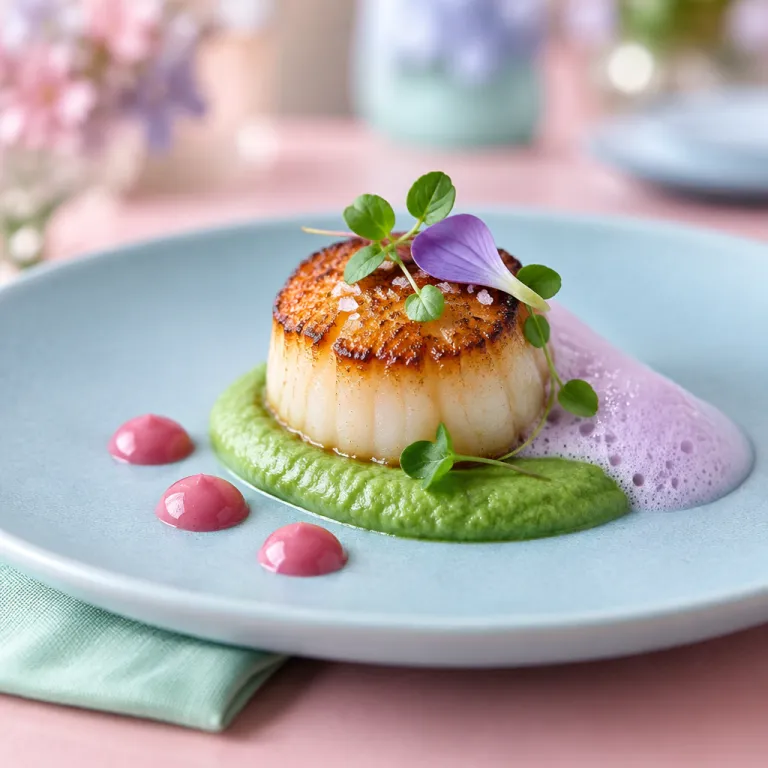
When a palace hotel restaurant becomes a cultural programme
In the most ambitious palace dining rooms, gastronomic heritage is treated as a cultural programme rather than a side service. The kitchen is curated with the same care as a museum collection, where every detail, from bar snacks to the grand dining ritual, is designed to tell a story of place and time. For couples choosing a luxury hotel for a romantic escape, this shift means the decision to book a stay is often driven as much by the restaurant as by the suite. In major cities such as Paris, Tokyo or San Francisco, flagship hotel restaurants routinely fill their prime dinner slots four to six weeks in advance, according to booking data from leading reservation platforms.
Le Meurice in Paris shows how a palace dining room can turn culinary heritage into theatre, with Alain Ducasse’s two Michelin-star team serving contemporary French cuisine in a space modelled on the Salon de la Paix at Versailles. Here, the architecture and the menu are inseparable, and the glass dome chandeliers, mirrored walls and gilded pilasters frame every plate as if it were a painting in a historic house. When you reserve a table in such a luxury setting, you are booking a seat in a living gallery where the executive chef acts as curator of both flavours and rituals, often planning seasonal menus months ahead to align with the city’s cultural calendar and major exhibitions.
Across the world, grand hotels and historic properties are rethinking how guests move through their dining experience, from the first cocktail in the court lounge bar to the last piece of chocolate served with coffee. A palace restaurant that takes culinary heritage seriously will often map the guest journey as carefully as the arrival choreography in the lobby, a topic explored in depth in this guide to how palace hotels engineer your first sixty seconds. For couples, this means that choosing between hotels is no longer about which inn or collection hotel has the largest suite, but which address offers the most layered, emotionally resonant dining narrative, supported by clear information on booking policies, tasting menu length and typical dining times.
Estate gardens, local sourcing and the new language of luxury
One of the clearest shifts in palace hotel restaurant culture is the move toward estate gardens and local sourcing as the backbone of gastronomic identity. At Oberoi Udaivilas in Udaipur, the kitchen garden supplies dozens of herbs and vegetables, allowing the executive chef to build a menu rooted in Rajasthani recipes specific to the Mewar royal court tradition. This kind of garden-to-plate philosophy turns a simple dinner into a lesson in regional history, where guests taste the same spice combinations that once perfumed royal banquets, while staff can point to the exact beds where key ingredients were grown.
Palace Hotel Tokyo offers another benchmark, sourcing a majority of its ingredients domestically and a high proportion of fresh produce from nearby farms, so the main restaurant there uses provenance as proof of environmental commitment. For couples who care about sustainability, a hotel luxury stay now often means asking how far the vegetables travelled, how the inn or hotel partners with local producers, and whether the garden is more than a decorative backdrop. When you book a table in such hotels, you are effectively voting for a food system where the palace, the garden and the surrounding region form a single, coherent story, often documented in menu notes or short producer profiles.
This focus on origin has also changed how palace bars operate, with the court lounge or main bar often showcasing regional spirits, vermouths and even house-made goddess dressing for salads that echo the famous green goddess recipes of historic American properties. Historic Hotels of America, which preserves and promotes many a historic hotel and inn, notes that culinary tourism is growing as travellers seek out places where “historic hotels are celebrated for their culinary contributions,” a trend reflected in its annual awards and member surveys. For couples planning a romantic weekend, this means that a palace hotel restaurant with strong local sourcing can rival a standalone city restaurant, especially when the bar, the garden court and the main dining room all speak the same seasonal language, as explored in this analysis of premium palace style dining options.
From chef to creative director of the palace dining ritual
The rise of the palace hotel chef as creative director has transformed how couples experience culinary heritage during a luxury stay. In many leading hotels, the executive chef now designs not only the menu but also the tableware, the pacing of service and the seasonal programming that ties into the palace calendar. This expanded role turns the signature restaurant into a stage where each course, each wine pairing and even each piece of chocolate is part of a carefully scripted narrative, often supported by a dedicated culinary team that tests new dishes months before they appear on the menu.
At Le Meurice, Alain Ducasse’s team treats the dining room like a salon, where the choreography of service mirrors the rhythm of a royal reception, while at Oberoi Udaivilas the chef might lead cooking classes that reveal how Rajasthani recipes evolved in palace kitchens. In both hotels, the chef’s signature dishes are not just technically impressive; they are anchored in the building’s history, whether through heirloom vegetables from the garden or sauces that echo courtly banquets. For couples, this means that booking a hotel luxury stay is also booking access to a creative mind who has shaped the entire dining experience, from the first canapé in the bar to the final herbal infusion served under a glass dome of steam, with staff trained to explain the story behind each plate.
Some palace hotels go further by restoring or recreating historic kitchens as experiential spaces, where guests can see copper batterie de cuisine, wood-fired ovens and original stone floors that once supported generations of cooks. These spaces often sit adjacent to a more contemporary restaurant, allowing the culinary team to bridge past and present in a single evening. If you are planning a trip focused on culinary heritage, it is worth reading in-depth reviews such as this journey through authentic palace inspired South Indian cuisine, then asking your chosen hotel how its chef uses history as a creative brief rather than a decorative theme, and whether behind-the-scenes tours or classes are available.
San Francisco’s Palace Hotel: a case study in living culinary history
Few properties illustrate the evolution of palace hotel restaurant culture as clearly as the Palace Hotel in San Francisco. This historic hotel, part of a major luxury collection, has turned its culinary heritage dining into a defining reason to stay, not just a pleasant extra. Couples who book a hotel here often do so as much for the restaurants and bars as for the rooms, because the building’s history is written in menus as much as in marble, with staff able to reference dishes that have appeared in various forms for decades.
The Garden Court, with its soaring glass dome and marble columns, functions as the ceremonial heart of the palace hotel restaurant offering, hosting afternoon tea, champagne brunches and seasonal dinners. Under that glass dome, the dining room becomes a stage where the executive chef can present a menu that nods to the hotel’s past while using contemporary techniques, from delicate chocolate desserts to seafood dishes that reference the city’s maritime heritage. The adjacent court lounge and main bar extend the experience, with cocktails that reference San Francisco history and small plates that reinterpret classic inn fare for a modern luxury audience, often at prices comparable to top independent restaurants in the city.
Down the corridor, the Pied Piper bar and restaurant offers a more intimate, club-like atmosphere, anchored by the famous Pied Piper mural that has watched over generations of guests. Here, the palace hotel restaurant team leans into comfort dishes, from steaks to rich chocolate puddings, while still maintaining the standards expected of a collection hotel in a global city. For couples, an ideal evening might start with a drink in the Pied Piper bar, continue with a multi-course dinner under the Garden Court glass dome, and end with a quiet nightcap in the court lounge, turning a single night in San Francisco into a layered dining experience that feels both historic and current, supported by attentive yet discreet service.
How to book, what to wear and when to go
Turning palace hotel restaurant ambitions into a memorable culinary heritage dining experience for your own trip requires a little planning. The most sought-after hotels often release their prime dining room slots weeks in advance, especially for afternoon tea under a glass dome or for tasting menus in a historic house setting. Couples should book a table as soon as flights are confirmed, particularly for Sat–Sun evenings when both hotel guests and local residents compete for the same coveted seats, and should use the hotel’s official website or reservations email for the most accurate availability.
Dress codes vary widely, but a palace hotel restaurant that treats culinary heritage dining as a cultural programme will usually expect smart attire, especially in the main dining room or during afternoon tea. Check the dress code on the hotel website and aim for understated elegance rather than overt glamour, which fits the tone of most historic hotels and luxury collection properties. In more relaxed spaces such as the bar, the court lounge or a garden terrace, the rules may soften, yet it is still wise to avoid overly casual outfits if you want to feel part of the palace narrative, and to bring a jacket or wrap in case the air conditioning is strong.
Finally, think about how you want to structure your dining experience across the stay, rather than treating each meal as an isolated event. One evening might focus on the chef’s signature tasting menu in the palace restaurant, another on a simpler supper in the inn-style bar, and a final afternoon on tea and chocolate pastries in the garden court. By planning this arc, you allow the hotel, whether in San Francisco or Paris or Udaipur, to show the full range of its culinary personality, from historic recipes revived in goddess dressing and green goddess salads to contemporary plates that prove why palace hotel restaurants now stand among the world’s most compelling dining destinations, often earning recognition from local guides and international awards.
FAQ
How do I choose a palace hotel if culinary heritage is my priority ?
Start by researching whether the palace hotel restaurant treats culinary heritage dining as a core identity, not just a marketing phrase. Look for evidence of estate gardens, local sourcing, historic recipes on the menu and an executive chef with a clear creative vision. Historic Hotels of America and similar organisations often highlight which historic hotels are recognised for their culinary contributions, which can guide your short list and help you compare properties on more than just room size or spa facilities.
Why are historic hotels important for culinary tourism ?
Historic hotels often hold archives of menus, recipes and banquet records that modern chefs can reinterpret for today’s guests. When a historic hotel invests in its kitchen and restaurant, it preserves culinary techniques that might otherwise disappear, from sauces to pastry methods. This makes a stay in such hotels a way to taste living history rather than only reading about it, and gives chefs a documented foundation for reviving or updating traditional dishes.
Can I experience palace style dining without staying overnight ?
Many palace hotels and collection hotels open their restaurants, bars and afternoon tea services to non-resident guests, especially in cities like San Francisco, Paris and Tokyo. You can often book a table online for the main dining room, the garden court or the bar, then build a day trip around that reservation. This approach lets you access the palace hotel restaurant experience and its culinary heritage dining without committing to a full hotel stay, while still enjoying the architecture, service rituals and signature dishes.
What is the best way to secure a table at a famous palace restaurant ?
The safest strategy is to reserve as early as possible, particularly for Sat–Sun evenings and special events such as seasonal menus or themed afternoon tea. Use the hotel website or concierge email rather than third-party platforms when you want specific seating, such as under a glass dome or near a historic mural. If you are already a guest of the hotel, ask the concierge to note your interest at the time of booking your room, as this often improves your chances and may unlock access to waitlists or priority seating.
Are palace hotel restaurants suitable for travellers with dietary restrictions ?
Most palace hotel restaurant teams are accustomed to accommodating dietary needs, from vegetarian and vegan menus to gluten-free or allergy-sensitive preparations. Because culinary heritage dining often involves complex sauces and traditional ingredients, it is essential to inform the hotel in advance so the executive chef can adapt recipes without losing their character. When you book a table, specify your requirements clearly and confirm them again on arrival to ensure a relaxed, enjoyable dining experience, and consider requesting a sample menu in advance if your needs are extensive.