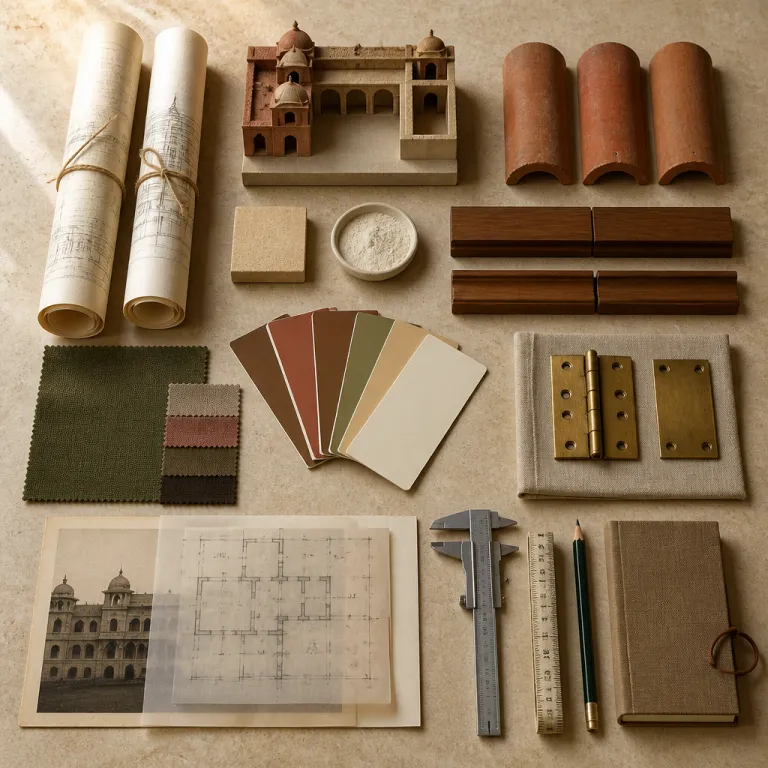
The translation of a palace: from private realm to working hotel
Turning a royal residence into a functioning hotel is less restoration than translation. The most successful palace hotel adaptive reuse heritage conversion projects treat every corridor, staircase and former throne room as text that must be edited with care, because adding lifts, sprinklers and soundproofing to a centuries old building always means choosing what to keep and what to quietly let go. For couples planning a romantic stay, understanding this translation helps you read whether a palace hotel respects its historic soul or simply trades on a pretty photo.
Architects, conservationists and developers now agree that adaptive reuse, defined as repurposing old buildings for new uses, is one of the most sustainable paths in luxury hospitality. When a palace hotel adaptive reuse heritage conversion reuses an existing structure, it can conserve around half to three quarters of the embodied carbon compared with a new build, while also preserving the original stone, timber and plaster that give historic hotels their gravitas. That is why serious projects begin with structural assessment, historical research and design integration rather than mood boards of chandeliers.
Across the united states and Europe, former palaces, schools and even a disused station have been inducted into the circle of high end hotels america now markets as heritage icons. Some of these properties are formally listed on a national register of historic places, while others sit on local heritage lists yet still operate as intimate inns or grand hotels. When you browse palace stays online today, look for clear references to the building being listed on a national register, to conservation partners, and to the adaptive reuse process itself, not just to spa menus and river views.
Minimum intervention versus faithful recreation: two schools of palace reuse
Not every palace hotel adaptive reuse heritage conversion follows the same design theology. One camp, often associated with Aman style properties, favours minimum intervention and uses the building structure itself as the primary ornament, so you sleep beneath exposed beams and limewashed walls rather than under layers of recreated period décor. The other camp, exemplified by the Hôtel de Crillon renovation in paris, leans into faithful recreation, commissioning artisans to restore boiseries, reweave silks and match original paint colours based on archival research.
For travellers, the choice between these styles is less about right or wrong and more about what kind of intimacy with history you want. Minimum intervention palaces feel almost monastic, with long sightlines that reveal the architectural bones of the original building, while faithful recreation hotels can feel like stepping into a meticulously staged portrait where every cornice and chandelier has been edited for drama. When you compare hotels online, look beyond the hero photo and study images of corridors, staircases and secondary salons, because these spaces reveal whether the adaptive reuse is coherent or just theatrical.
In america, you see both approaches in properties that were once civic landmarks rather than royal residences, such as the former union station hotels or a converted high school that now hosts weddings instead of assemblies. A palace hotel adaptive reuse heritage conversion shares the same dilemmas as these projects, from how to insert modern bathrooms without slicing through historic plaster to how to route HVAC discreetly behind stone cornices. If you are drawn to theatrical heritage, you might gravitate toward a palace on the national register that has been inducted as one of the leading historic hotels, whereas minimalists may prefer a quieter inn along a river, where the patina of age is allowed to remain.
For travellers interested in performance led heritage experiences in america, a useful comparison point is the way former entertainment venues are reimagined for luxury stays, as explored in this guide to Mayan palace theater experiences for luxury palace travelers. The same questions apply in a palace hotel adaptive reuse heritage conversion, where the grand salon might now host jazz instead of court musicians, yet the architectural rhythm still dictates how guests move and gather. When you evaluate such hotels, ask whether the new use converses with the historic function or simply overlays it with generic luxury.
The adaptive reuse equation: sustainability, heritage and guest comfort
Adaptive reuse is often presented as a moral good, but for a palace hotel adaptive reuse heritage conversion the equation is more nuanced. Reusing a historic building can preserve between 50 and 75 percent of embodied carbon, yet poorly planned conversions can still waste energy if insulation, glazing and systems are handled without finesse. The best palace hotels treat sustainability as part of the heritage brief, not as a bolt on marketing line.
From a guest perspective, the most telling details are often invisible in the brochure. You feel them when your atheneum suite stays cool during a heatwave without roaring air conditioning, or when underfloor heating quietly warms a stone bathroom that once served as a service corridor. These comforts are the result of careful design integration, where structural assessment, conservation materials and modern construction techniques are used to thread new services through old walls without scarring the original fabric.
Data from heritage organisations suggests that thousands of adaptive reuse projects globally now repurpose palaces, convents, schools and stations into hotels, with a high percentage considered successful in balancing preservation and modern use. Yet success for you as guests is measured differently, because studies show that heritage hotel guests rate sense of place as more important than spa menus or even bed quality. When you read reviews of palace hotels america wide, pay attention to whether travellers mention the building story, the national heritage context and the way staff interpret history, not just the breakfast buffet.
One way to sharpen your eye is to compare palace conversions with other heritage led stays, such as those near historic theatres where architecture shapes the entire experience, as outlined in this piece on how a stay near Palace Theater in Georgetown elevates a luxury getaway. The same logic applies in a palace hotel adaptive reuse heritage conversion, where the route from entrance to suite should feel like a curated narrative rather than a maze of retrofitted corridors. When a hotel has been inducted into a recognised register of historic places, it often signals that this narrative has been considered at both architectural and operational levels.
Common mistakes in palace conversions and how to spot them when booking
Not every palace hotel adaptive reuse heritage conversion earns its room rate. Some projects fall into the trap of over theming, turning a complex historic building into a caricature of itself with faux medieval banners, costume like uniforms and gift shop corridors that feel more theme park than palace. Others commit the opposite sin, erasing patina in favour of glossy surfaces that could belong to any airport hotel in any city.
There are also subtler missteps that only reveal themselves once you arrive. Modern art that fights the architecture rather than converses with it can make a grand stair feel like a showroom, while poorly planned lighting can flatten carved ceilings into anonymous planes. When a palace hotel adaptive reuse heritage conversion ignores the original circulation patterns, you end up with awkward dead ends, blocked arches and suites where the view is sacrificed to squeeze in another bathroom.
To avoid these disappointments, read between the lines of marketing language. If a property in the united states claims to be a former convento hotel or river inn yet shows no images of cloisters, arcades or riverside façades, treat that as a warning sign. Similarly, when a hotel grinnell style conversion of a former high school or junior high is executed well, you will see playful references to the building’s past, but the underlying architectural logic remains intact.
For palace stays, look for evidence that the project team worked with local authorities, heritage organisations and conservationists, not just interior designers. A palace hotel adaptive reuse heritage conversion that is listed on a national register or has been formally inducted as a historic hotel usually publishes this status clearly, sometimes under a heritage or history tab on its website. When you compare options, prioritise hotels that share floor plans, restoration stories and archival photos, because transparency is often the best indicator of respect for the original building.
How to choose a palace conversion that respects its original soul
Choosing the right palace hotel adaptive reuse heritage conversion for a romantic trip starts with research rather than room photos. Begin by reading the property’s history page, checking whether the building is listed on a national register of historic places and whether the hotel has been inducted into any recognised heritage programmes. If the story feels vague, with no dates, architects or conservation partners named, the respect for the original may be equally thin.
Next, study the floor plans and images with a critical eye. Do suites follow the rhythm of the original palace enfilade, or has the plan been chopped into anonymous rectangles that could belong to any hotels america wide ? When you see a palace overlooking a river, such as a property along the Napa River or a san juan waterfront, check whether public spaces are oriented toward that view, because a thoughtful adaptive reuse will always choreograph how guests encounter water, gardens and courtyards.
Location context also matters. A palace hotel adaptive reuse heritage conversion near a working station or in the heart of a national capital will have different noise, access and security considerations than a rural inn set in former royal hunting grounds. If you are planning a city break, guides such as this curated selection of elegant stays near Buckingham Palace can help you understand how heritage hotels negotiate urban constraints while preserving atmosphere.
Finally, remember that converting a palace into a hotel is always a balancing act between preservation and modernisation. As one concise definition puts it, “What is adaptive reuse? Repurposing old buildings for new uses.” and “Why convert palaces? To preserve history and provide functional spaces.” and “What challenges arise in palace conversions? Balancing preservation with modernization.” When you find a palace hotel adaptive reuse heritage conversion that speaks clearly about this balance, names its architects and conservation partners, and shows both polished suites and imperfect stone, you have likely found a place where the original soul still leads the dance.
FAQ
What is adaptive reuse in the context of palace hotels ?
Adaptive reuse in palace hotels means repurposing an existing historic building, such as a royal residence or civic landmark, into a functioning hotel while retaining key architectural and cultural features. The process typically involves structural assessment, historical research and careful design integration to add modern services like bathrooms, lifts and climate control without erasing original materials. For travellers, a strong palace hotel adaptive reuse heritage conversion offers contemporary comfort while still feeling rooted in the building’s first life.
How can I tell if a palace conversion respects its heritage before booking ?
Start by checking whether the property is listed on a national register of historic places or has been inducted into recognised historic hotel programmes, because these designations usually require documented conservation work. Then read the hotel’s history section to see if it names architects, conservation partners and specific restoration phases rather than offering only romantic anecdotes. Finally, study photos of staircases, corridors and façades, since these often reveal whether the adaptive reuse has preserved the original spatial logic or carved the building into generic rooms.
Are palace conversions more sustainable than new luxury hotels ?
Reusing an existing palace structure can conserve a significant share of embodied carbon compared with demolishing and rebuilding, which makes adaptive reuse a powerful sustainability strategy when executed well. However, the environmental performance of a palace hotel adaptive reuse heritage conversion still depends on how insulation, glazing, mechanical systems and water use are handled within the constraints of a protected shell. When hotels publish information about energy upgrades, sustainable materials and collaboration with heritage authorities, it is usually a sign that sustainability has been considered alongside preservation.
What should couples prioritise when choosing a palace hotel for a romantic stay ?
Couples should prioritise sense of place, room layout and access to atmospheric shared spaces over sheer room size or the latest gadgets. Look for suites that respect original proportions, offer meaningful views of courtyards, rivers or cityscapes, and connect easily to salons, gardens or terraces where you can linger together. Reading guest reviews that mention the building’s story, staff knowledge of heritage and the overall atmosphere will help you identify palace hotel adaptive reuse heritage conversion projects that feel genuinely romantic rather than merely ornate.
Do palace hotels converted from non royal buildings feel less authentic ?
Not necessarily, because authenticity in a palace style stay comes from coherent architecture, strong storytelling and respectful reuse, not only from royal lineage. Some of the most characterful heritage hotels occupy former schools, stations or civic buildings that have been carefully adapted, with original details like staircases, cornices and façades left intact. If the adaptive reuse honours the building’s first purpose and integrates it into the guest experience, these hotels can feel as compelling as traditional palaces within the wider world of palace hotel adaptive reuse heritage conversion.