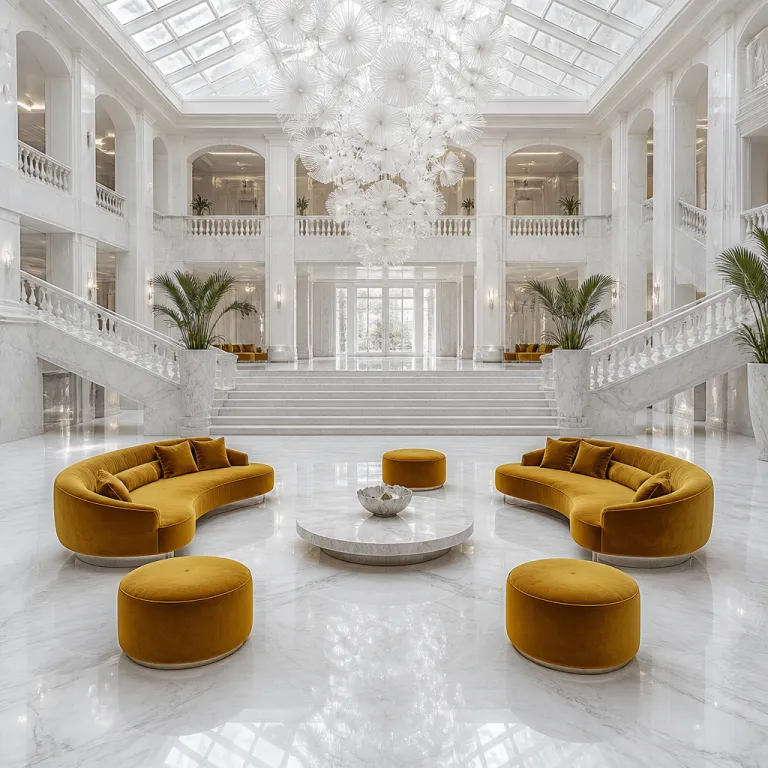
How palace hotel interior materials define true luxury
Walk into a great palace hotel and the materials speak first. Before a word is exchanged, the interior architecture, the lighting and the furniture quietly outline the level of luxury, the cultural roots and the seriousness of the design. This is where palace hotel interior materials and luxury design stop being decoration and become a manifesto about how you are meant to feel in every room and space.
In Venice, palace interiors along the Grand Canal show this material language with unusual clarity. Murano glass chandeliers, marble flooring and velvet upholstery are not styling tricks; they are the visible result of collaborations between local glassmakers, stone masons and textile manufacturers that have shaped hotel interiors for generations. When you book luxury hotels in such royal settings, you are also booking into a living archive of interior design decisions, from the smallest architectural details to the boldest color palettes.
For travelers choosing a luxury hotel today, the question is no longer only about the size of the living room or the view from the dining room. The real question is whether the palace interior uses high quality materials with integrity, or whether the design ideas rely on surface level effects that will age quickly. Understanding how design, interiors and materials work together helps you read a modern palace with the same attention you would give to a royal palace museum, and prepares you to judge whether the promise of luxury is truly supported by what you see and touch.
Murano glass and the glow of crafted lighting
In Venetian palace hotels, Murano glass is more than a pretty chandelier. Local experts are clear about its role: “Why is Murano glass significant in Venetian hotels? It symbolizes local craftsmanship and adds elegance.” That single sentence explains why so many luxury interior schemes in Venice still revolve around this material, even as hotel design becomes more modern and international.
Historic properties such as Hotel Danieli in Venice, where interior designer Pierre-Yves Rochon has restored key suites as part of a long running renovation program, use Murano glass to anchor the hotel interior in its lagoon context. Ca' di Dio, reimagined by Patricia Urquiola in the early 2020s, treats glass as both sculpture and lighting, allowing each space to feel contemporary while still echoing the royal palace silhouettes outside. Even the more modern palace conversion of Carnival Palace Hotel, renovated by H.C.E. & Partners in the last decade, uses glass elements to connect its interiors to the city’s network of long established glass factories on Murano, where family run furnaces have been active for centuries.
For guests, the effect is immediate: lighting becomes part of the guest experience, not just a technical necessity. A Murano chandelier in a living room or dining room softens the room and adds a high, almost theatrical glow that flat LED panels can never match. One recent guest at a converted palazzo described arriving after dark and seeing “the whole lobby shimmer like candlelight, even though everything was electric” — a reaction that shows how crafted glass can still feel magical. If you want to go deeper into how sound, scent and touch interact with this kind of lighting, the guide on sensory blueprints in palace hotel design shows how materials and light shape every moment of a stay.
Marble underfoot: reading status in stone
Marble is the backbone of many palace interiors, and it is never neutral. “How does marble enhance hotel interiors? Provides durability and a sense of luxury.” That durability is why so many royal palace corridors still feel solid underfoot, while the veining and color of the stone quietly signal the level of ambition behind the architecture.
In European luxury hotels, Carrara white marble often frames grand staircases and lobby floors, its cool tone reinforcing a classical interior design language. In Indian palace interiors, Rajasthani makrana marble carries a warmer, almost luminous quality, which changes how the living room or dining room feels at dusk. Around the Mediterranean, travertine softens hotel design with a more porous texture, giving modern palace conversions a relaxed, coastal elegance that still reads as high quality luxury design.
When you walk into a palace hotel lobby, look at how the marble meets other materials at the threshold between public and private space. Sharp transitions, reconstituted stone or clumsy joints often reveal cost cutting that clashes with the promise of a luxury hotel. For travelers who care about palace hotel interior materials and authentic luxury, these elements are as telling as the room size or the view, and they help distinguish genuinely crafted luxury interiors from those that only imitate the look.
Velvet, acoustics and the quiet side of elegance
Velvet has survived every wave of minimalism for one simple reason. “What role does velvet play in hotel design? Adds texture and richness to furnishings.” In palace hotels, that richness is not only visual; velvet also absorbs sound, warms a high ceiling and gives the living room or bar a hushed, royal atmosphere.
Look closely at the furniture in a serious luxury hotel and you will notice how velvet appears on banquettes, headboards and sometimes even on wall panels. These interiors are designed so that the fabric’s pile catches the lighting, creating depth in photographs and in person, while also softening the acoustics of the space. In a modern palace conversion, designers often pair velvet with leaner architectural details and contemporary color palettes, so the overall design luxury feels current rather than nostalgic.
For couples choosing between different hotels, this material choice can change the entire guest experience. A velvet lined corridor leading to your room feels more intimate than a hard, echoing hallway, even if the architecture is similar. If you are interested in how natural materials and textiles can also support well being, the feature on biophilic design in palace hotels explains how living elements, reclaimed beams and circadian lighting now sit alongside marble and velvet in forward looking luxury interiors.
Authenticity, sustainability and how to read a modern palace
Not every palace interior tells the truth about its materials. Synthetic velvet, machine made “Murano” glass and reconstituted marble can look convincing in photographs, yet they rarely deliver the tactile luxury design that discerning guests expect. For travelers using a luxury and premium booking website, learning to read these details is as important as comparing room categories or spa menus.
Start with the hotel design narrative; serious luxury hotels usually name their interior designers, highlight collaborations with artisans and explain how materials were sourced. In Venice, for example, properties that work with Patricia Urquiola, Pierre-Yves Rochon or H.C.E. & Partners tend to foreground local craftsmanship, from Murano glass to marble and velvet produced by historic Venetian mills. This transparency about materials, architecture and interiors is a strong indicator of high quality intent, especially when paired with clear commitments to sustainable sourcing and long term maintenance.
Then look at how each space balances heritage and modern comfort, from the lobby to the most private room. A royal palace conversion that respects its architectural details while updating lighting, furniture and color palettes usually offers a more coherent guest experience than a property that chases trends. For a deeper sense of how grooming rituals and personal style intersect with palace hotel interior materials and luxury styling, the feature on royal style and grooming in palace stays shows how even a bathroom’s marble, glass and textiles can extend the story told by the grand staircase.
Practical design ideas for choosing your next palace stay
When you browse palace hotels online, focus on materials before you fall for the view. Look at the hotel interior photos and ask whether the marble, glass, wood and textiles feel consistent from lobby to living room, or whether the design ideas change abruptly between spaces. Consistency usually signals that interior designers have shaped a complete palace interior narrative, rather than a collection of unrelated rooms.
Pay attention to how furniture sits within each space, especially in suites where the living room, dining room and bedroom share one open plan. In a well resolved luxury interior, sofas, tables and lighting form clear zones without cluttering the architecture, allowing you to move easily while still feeling cocooned. This is where palace hotel interior materials and thoughtful design become practical; good layouts, high quality finishes and considered color palettes make it easier to relax, unpack and feel at home.
Finally, read guest reviews with an eye for comments about interiors, not only service. Mentions of worn fabrics, noisy corridors or harsh lighting often reveal that the materials and design luxury have not aged well, even if the hotel still markets itself as a modern palace. By contrast, reviews that praise the calm of the room, the feel of the marble bathroom and the glow of the lobby chandeliers usually confirm that the palace interiors are doing exactly what they were designed to do.
FAQ
How can I tell if a palace hotel uses authentic Murano glass?
Authentic Murano glass in a palace hotel is usually documented by the property, either in room information, on the website or during guided tours. In Venice, serious luxury hotels often mention collaborations with specific glassmakers and may display certificates from local ateliers. If the hotel is vague about provenance and the chandeliers look identical across many rooms, they are likely machine made imitations rather than true Murano pieces.
Why do so many palace hotels use marble in their interiors?
Palace hotels rely on marble because it combines durability with a strong visual signal of luxury. Different types of marble, from Carrara to makrana or travertine, also help express regional identity and architectural style. When maintained properly, marble floors and bathrooms age gracefully, which is essential for properties that expect to host guests for decades.
What should I look for in velvet furnishings when booking a luxury hotel?
High quality velvet in a luxury hotel usually has a dense, even pile and feels warm to the touch rather than slick or synthetic. In palace interiors, velvet often appears on headboards, banquettes and armchairs, where it improves acoustics and comfort. If photos show flat, shiny fabrics or visibly worn areas, the hotel may be compromising on materials, which can affect the overall sense of elegance.
How do interior designers balance heritage and modern comfort in palace hotels?
Interior designers working on palace hotels start by respecting key architectural details such as staircases, cornices and historic floors. They then introduce modern comforts through updated lighting, discreet technology and contemporary furniture that does not overwhelm the original palace interior. The most successful projects feel both historically grounded and easy to live in, with layouts and materials that support today’s guest expectations.
Are sustainable materials compatible with traditional palace luxury?
Sustainable materials can work very well in palace hotel interior materials and luxury design when they are chosen for both performance and aesthetics. Designers increasingly pair restored marble and historic wood with responsibly sourced textiles, recycled glass and energy efficient lighting. This approach preserves the royal atmosphere of the palace while reducing environmental impact and improving long term comfort for guests.