Why biophilic design is reshaping the modern palace hotel
A palace hotel inspired by biophilic design does not simply add plants to corridors. It uses nature-centred principles to reconnect guests with the outdoors through architecture, materials and a carefully curated guest journey. Design teams now treat every grand staircase, gallery and salon as a potential bridge between heritage interiors and living ecosystems.
Biophilic design means creating environments that connect people with nature, and luxury properties that embrace this philosophy are using the concept as a strategic brief rather than a decorative theme. Management understands that when guests enjoy contact with natural light, organic materials and real gardens, they stay longer in shared spaces and feel calmer during intense business travel. Shiji Insights, in a 2023 analysis of luxury properties based on aggregated performance data from global hotel clients (Shiji Insights, “The Hotelier PULSE: Biophilic Design & Guest Behaviour,” 2023), reports that hotels with biophilic elements see 22 % longer guest dwell times in public spaces and 19 % higher repeat booking rates, turning aesthetics into measurable hospitality performance.
For a luxury booking website focused on palace hotel stays, this shift matters directly to you. When you compare hotels and resorts in Paris, Vienna or an urban Indian city, the presence of nature-inspired features becomes as relevant as suite size or Michelin-level dining. A palace that integrates water features, living walls and carefully restored gardens into its signature collection of suites will usually deliver a more restorative hotel stay than a property relying only on marble and chandeliers.
Heritage meets greenery: integrating nature into historic palace spaces
The design challenge in any biophilic luxury palace is simple to state and complex to solve. How do you weave living walls, water features and thousands of plants into a ballroom whose ceiling fresco predates the country’s constitution? Architects must respect listed stonework while still creating a genuine connection with nature strong enough to change how guests move, meet and rest.
At 1 Hotel Toronto, a leading urban hotel brand in Canada, more than 3 000 plants are integrated into public and private spaces according to the hotel’s 2022 sustainability communications (1 Hotels, “1 Hotel Toronto Sustainability Fact Sheet,” 2022), which summarise internal inventory counts and landscape design plans, proving that large-scale greenery can coexist with refined hospitality. The property sits in a dense city district yet uses natural materials, indoor trees and maximised natural light to soften the urban edge for business and leisure guests. Its approach shows how a design-forward hotel can feel like a nature-inspired resort while remaining firmly embedded in the city’s cultural and dining scene.
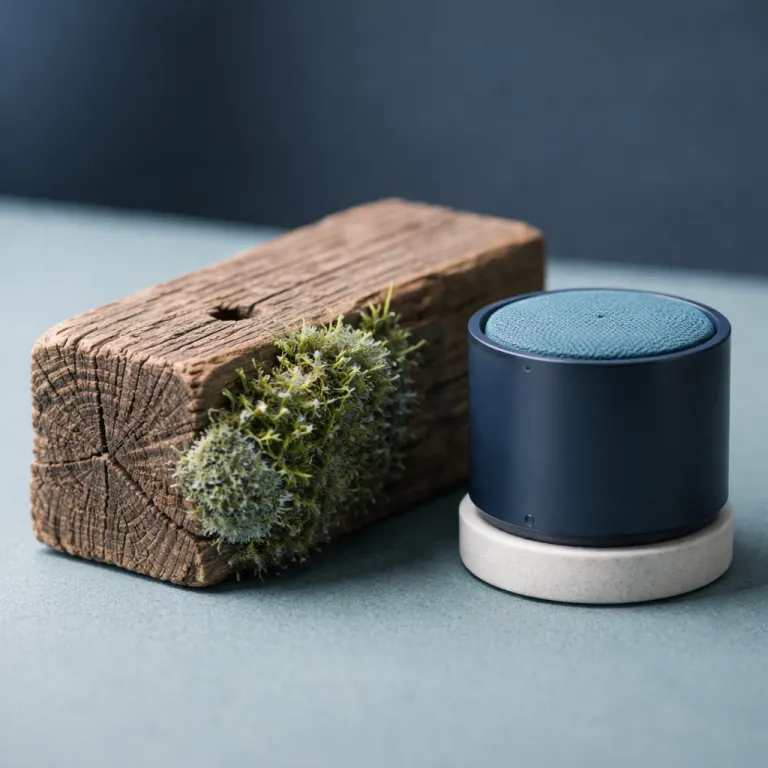
Palace conversions in Europe and Asia are following similar methods, though with stricter heritage constraints. Designers specify reclaimed materials such as old oak, stone and metal, then pair them with organic textiles like linen, wool and clay plaster to echo original craftsmanship. When done well, the result is a palace hotel where guests enjoy both patinated history and a subtle forest-like calm, without a single fresco or cornice compromised.
Inside the rooms: materials, light and the new wellness luxury
Step into a biophilic palace suite and the shift is immediate. Carpets move from high-gloss patterns to tactile weaves in sand, taupe and espresso brown, while walls adopt olive green, terracotta and deep burgundy that reference surrounding landscapes. The palette flatters historic woodwork yet frames views of inner courtyards, rooftop gardens or distant city parks.
Wellness is no longer confined to the spa; it is embedded in every layer of the guest experience. Circadian-friendly lighting systems track the sun’s rhythm, helping executives adjust after long-haul flights and late restaurant bar meetings. Headboards and desks crafted from reclaimed materials show visible grain and knots, reminding guests of the trees and quarries that supplied the palace centuries ago.
Bathrooms in these hotels, biophilic in philosophy, often feature stone basins, rain showers and discreet water features that echo nearby rivers or palace fountains. Single-use plastics are phased out in favour of refillable glass or ceramic dispensers, supporting both sustainability goals and a calmer visual design. When a booking website highlights these details clearly, it helps travellers choose hotels and resorts where wellness is structural, not an optional add-on.
Public spaces, meetings and the data behind guest behaviour
For the Business Leisure traveller, the most transformative part of a nature-connected palace hotel is often the lobby or meeting suite. These are the spaces where negotiations happen, presentations are made and jet lag either fades or intensifies. When lobbies feature living walls, generous natural light and views into real gardens, decision making tends to feel less pressured and more grounded.
Research in hospitality design and environmental psychology consistently shows that biophilic spaces reduce stress and improve cognitive performance, which matters when you are closing a deal before extending your stay. In palace hotels biophilic in layout, meeting rooms might open directly onto terraces with potted trees, or onto cloistered courtyards with subtle water features that mask city noise. Informal restaurant bar zones often blur into lounge areas, encouraging guests to extend conversations and, as data suggests, to spend more on dining and future bookings.
Recent case studies from luxury operators echo this pattern, noting that guests in nature-connected lounges report higher satisfaction scores and are more likely to recommend the property to peers. As one European palace general manager summarised in an internal post-renovation review, “When guests can see greenery from almost every seat, they stay longer, talk more and tell us they feel at home.” For a booking platform, highlighting which palace hotel properties apply these principles in public spaces helps guests compare not just room categories but the full experience arc from arrival to late-night meetings.
How to read palace listings through a biophilic lens
When you scroll through a luxury booking website, the language around a biophilic design palace hotel can feel poetic. To cut through the mood boards, look for concrete signals such as the number of plants on site, the proportion of spaces with direct natural light and the use of certified organic materials. Properties like 1 Hotel Toronto openly share these metrics in sustainability reports and press materials, which is a strong indicator of serious future hospitality commitments rather than surface-level greenwashing.
Pay attention to whether a brand mentions a recognised certification hotel scheme focused on sustainability or wellness, as this often correlates with reduced single-use plastics and better air quality. Check if the palace hotel describes specific gardens, interior courtyards or rooftop parks, not just generic landscaping. When hotels and resorts explain how reclaimed materials were sourced or how water features are supplied by closed-loop systems, you gain insight into both ethics and long-term maintenance.
Social channels such as Facebook, Instagram and similar platforms can also reveal how hotels, biophilic in branding, behave day to day. Look for unfiltered images of restaurant bar terraces, morning light in suites and guests enjoying quiet corners filled with greenery rather than only staged floral arrangements. Over time, these details help you build a personal collection of trusted palace addresses where design, nature and hospitality align to support both business focus and deep rest.
Key statistics on biophilic design in palace hotels
- Hotels with biophilic elements report 22 % longer guest dwell times in public spaces, according to Shiji Insights’ 2023 review of luxury properties (Shiji Insights, “The Hotelier PULSE: Biophilic Design & Guest Behaviour,” 2023), which draws on anonymised operational data from participating hotels, indicating that guests feel more comfortable lingering in lobbies, lounges and dining areas.
- Properties integrating structured biophilic design see 19 % higher repeat booking rates in the same Shiji Insights dataset, suggesting that nature-inspired spaces directly influence loyalty among luxury travellers.
- Leading urban hotels such as 1 Hotel Toronto integrate more than 3 000 plants into their spaces, as outlined in the brand’s 2022 sustainability reporting and design briefs (1 Hotels, “1 Hotel Toronto Sustainability Fact Sheet,” 2022), demonstrating how large-scale greenery can function within high-end hospitality operations.
Essential questions about biophilic palace hotel design
What is biophilic design in a palace hotel context?
Biophilic design in a palace hotel context means using architecture, interiors and landscaping to create a continuous connection with nature while respecting historic fabric. This can include natural light optimisation, extensive planting, organic materials and views into gardens or water features. The goal is to enhance guest well-being without diluting the property’s heritage character.
How does biophilic design affect the guest experience during a business stay?
For business travellers, biophilic spaces can reduce stress, support focus and improve sleep quality after long meetings. Meeting rooms with daylight, greenery and access to outdoor terraces often feel less draining than windowless salons, which can influence the tone of negotiations. Over several nights, this calmer environment usually translates into higher satisfaction and a greater likelihood of extending the stay for leisure.
Are there many palace hotels worldwide using biophilic principles?
The number of palace hotels adopting biophilic principles is growing across Europe, North America, the Middle East and Asia. Some, like 1 Hotel Toronto, are new builds with a strong sustainability narrative, while others are historic conversions gradually integrating living walls, reclaimed materials and garden courtyards. When researching, look for explicit references to biophilic design, wellness-focused renovations and partnerships with landscape architects or environmental consultants.
What should I look for on a booking website to identify a truly biophilic property?
On a booking website, prioritise detailed descriptions of natural materials, planting strategies, daylight design and specific gardens rather than vague eco-friendly claims. Photographs should show real greenery integrated into suites, lobbies and dining areas, not just seasonal arrangements. Clear information about certifications, reduced single-use plastics and long-term sustainability programmes is another strong indicator of authentic biophilic intent.
Does biophilic design always mean higher room rates in palace hotels?
Biophilic design can require significant upfront investment, especially in heritage buildings, so some palace hotels may position these rooms at a premium. However, the operational benefits, such as longer dwell times and higher repeat bookings, often help stabilise pricing over time. For guests, the added value usually lies in improved comfort, wellness and a more memorable sense of place rather than in visible luxury alone.