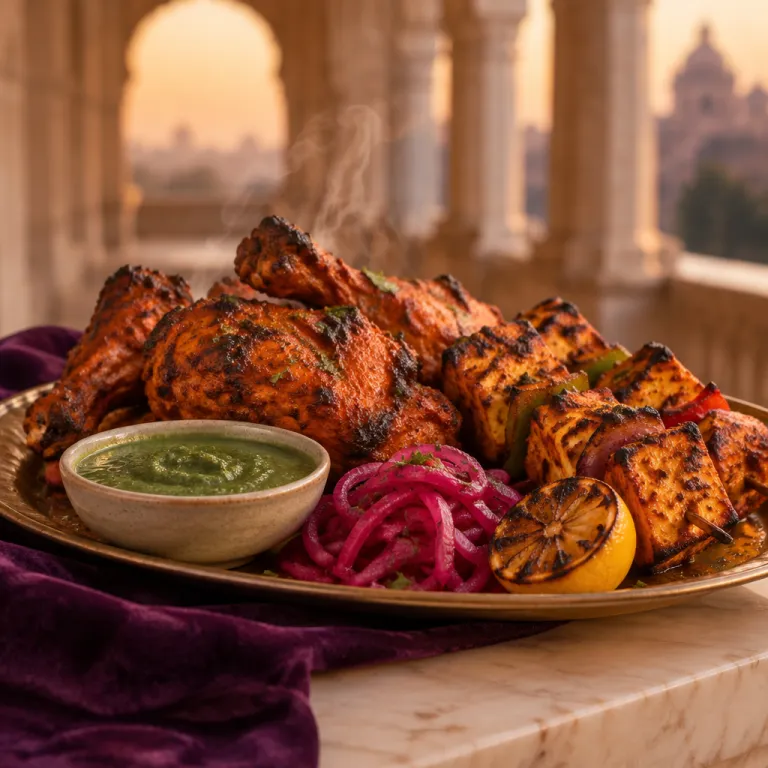
Royal first impressions of a tandoori palace stay
Arriving at a tandoori palace style property, the first impression is fragrance. Subtle notes of charcoal, spice and freshly baked naan drift from the tandoor courtyard, immediately signalling that Indian food here is central to the stay. Guests sense that this palace is not only about marble corridors but also about a restaurant that treats every dinner as a ceremonial event.
In many luxury palaces, the signature Indian restaurant sits close to the lobby, so the journey from check in to table feels seamless and inviting. At Rambagh Palace in Jaipur, for example, the walk from reception to the courtyard grill passes open archways where chefs are already basting kebabs. The palace serves refined dishes that balance traditional tandoori techniques with contemporary plating, giving travellers both comfort and surprise in a single menu. For travellers comparing options online, this immediate proximity between suite and food often becomes the deciding factor when choosing where to book.
High end properties now design their full menu around the idea of culinary theatre, with the tandoor ovens placed behind glass so guests can watch bread baked to order. You see naan leavened and stretched by hand, then slapped against the clay walls until the baked bread blisters and puffs. One Delhi based chef describes the moment the dough hits the oven as “the heartbeat of the kitchen”, and that spectacle turns a simple order of garlic naan into a memory that feels worthy of a palace stay.
How palace chefs elevate authentic Indian food traditions
Luxury palaces treat authentic Indian cuisine as cultural heritage rather than simple hotel food. In many destinations, the executive chef curates a full menu that traces regional Indian dishes, from smoky tandoori chicken to delicate paneer simmered in creamy tomato gravies. This approach transforms the Indian restaurant from a convenient option into a gastronomic archive that guests travel specifically to experience.
For travellers researching where to stay, it helps to understand how these kitchens work behind the scenes. Palace teams often study historical menus and royal cookbooks, then reinterpret them for modern lunch and dinner service with lighter sauces, gluten free options and vegetarian or vegan variations. At Umaid Bhawan Palace in Jodhpur, for instance, chefs have revisited mid twentieth century banquet menus to recreate family recipes with contemporary plating. If you want to go deeper into this archival approach, read about how palace chefs build menus from their own history and then look for similar storytelling in the property you choose.
On a practical level, this expertise shows up in small details that travellers notice immediately. Butter chicken arrives with a perfectly balanced creamy tomato sauce, neither too sweet nor too heavy, while the paneer remains tender rather than rubbery. Even the leavened bread is carefully controlled, with naan dough proofed at precise temperatures so that every baked naan feels light enough to pair with rich tandoori dishes. At The Leela Palace Udaipur, one chef explains that they log oven temperatures for each service to keep this texture consistent and avoid variation between sittings.
Designing your ideal tandoori palace dinner experience
Planning a tandoori palace evening starts with choosing the right setting inside the property. Some palaces offer an intimate Indian restaurant with candlelit alcoves, while others create open courtyards where the tandoor glow reflects on carved stone. Both options can feel luxurious, but your choice should match whether you prefer a quiet dinner or a more social buffet atmosphere.
Many travellers now combine a curated tasting menu with a more relaxed second visit for lunch or dinner during longer stays. On the first night, you might book a chef guided journey through signature dishes, from delicate vegetarian starters to robust chicken mains and indulgent paneer curries. Another day, you could return for a buffet where the palace serves a wider range of Indian food, including regional breads baked in different tandoor styles and several gluten free dishes.
When browsing a booking website, look for clear descriptions of the restaurant service style and timings. Properties that highlight both à la carte and buffet options usually provide great options for mixed groups, especially when some guests want plant based plates while others prefer grilled chicken or seafood. For travellers who enjoy variety, a palace that also offers themed nights, such as a gourmet burger palace experience alongside classic tandoori favourites, can keep every dinner feeling fresh and engaging; you can read more about these gourmet burger palace experiences when comparing stays.
From garlic naan to paneer : catering to every dietary preference
One of the strongest advantages of staying in a tandoori palace environment is the flexibility around dietary needs. High end Indian restaurant teams are used to balancing vegetarian, vegan and meat based dishes on the same full menu without compromising flavour. This makes it easier for families or groups with different preferences to share a single dinner table without anyone feeling limited.
For vegetarian guests, palace chefs often highlight paneer based dishes, slow cooked lentils and seasonal vegetables roasted in the tandoor. These plates benefit from the same attention as signature chicken or lamb preparations, with spices layered carefully and sauces finished with either light yoghurt or creamy tomato bases. When you add freshly baked naan or garlic naan to the side, the result feels indulgent yet still aligned with personal food choices.
Travellers with specific health requirements should look for clear labelling of gluten free dishes and nut free options on the menu. Many luxury palaces now train their team to explain which bread baked items contain wheat and which rice based dishes remain naturally safe. If you are unsure, ask for the chef at the Indian restaurant; friendly service in these properties usually means someone will walk you through the options and recommend combinations that suit your needs.
Service rituals that turn a meal into a palace memory
Service style can make the difference between a simple restaurant visit and a lasting tandoori palace memory. In luxury properties, friendly service is not just about smiles but about anticipating how you like your Indian food paced and presented. Staff often remember whether you prefer your garlic naan extra crisp, your butter chicken mild or your paneer dishes with less creamy tomato sauce.
Many palaces choreograph the arrival of dishes so that bread baked in the tandoor reaches the table seconds after leaving the oven. This timing keeps the naan leavened dough soft inside, with a slight char outside that pairs beautifully with rich gravies. When the palace serves a shared platter, servers may explain each item, from vegetarian kebabs to marinated chicken skewers, so guests understand the regional stories behind the food.
For travellers booking online, guest reviews that mention friendly service and attentive pacing are valuable indicators. Comments that say they would definitely recommend the restaurant, praise the delicious naan or highlight great options for both vegan diners and meat eaters suggest a well trained team. When a palace consistently delivers this level of service across breakfast, lunch, dinner and late night snacks, it signals a property where culinary care matches architectural grandeur.
Wellbeing, ambience and the sensory impact of tandoor cuisine
A stay in a tandoori palace is not only about taste; it is also about how the environment makes you feel. Soft lighting, low music and the gentle crackle of the tandoor create a calming backdrop that contrasts with busy city streets outside. This sensory design can support relaxation after long travel days, especially when combined with balanced Indian food that avoids excessive heaviness.
Many luxury palaces now integrate nutrition conscious options into their Indian restaurant menus without sacrificing authenticity. You might find grilled tandoori chicken served with crisp salads, lighter paneer dishes finished with yoghurt instead of cream and whole grain versions of leavened bread alongside classic baked naan. For guests who value wellness, these great options allow them to enjoy authentic Indian flavours while still feeling energised for sightseeing the next morning.
When evaluating properties on a booking website, look beyond room photos and read how the palace describes its culinary philosophy. Places that emphasise seasonal produce, freshly baked breads and thoughtful spice levels often align with broader wellbeing programmes, from discreet spa offerings to subtle sleep enhancing amenities; an overview of this approach appears in the article on invisible wellness in palace hotels. Choosing such a palace means your dinner, your lunch or dinner and even a late night snack of garlic naan become part of a holistic travel experience rather than isolated meals.
Key statistics on palace dining and traveller expectations
- Industry analyses suggest that food and beverage revenue can represent around one third of total income for many luxury hotels, which underlines why palaces invest heavily in authentic Indian restaurant concepts and refined tandoor kitchens.
- Recent travel research indicates that a clear majority of travellers choose their accommodation partly based on on site dining options, meaning that a strong tandoori palace offering with vegetarian, vegan and gluten free dishes can significantly influence booking decisions.
- Surveys of restaurant guests consistently show that many diners are more likely to return to a venue that offers clear allergen labelling and flexible menu options, which supports the trend of palaces highlighting gluten free breads, lighter paneer dishes and carefully described chicken preparations.
- Market reports on global tourism point to steadily rising demand for authentic Indian food in premium travel segments, encouraging palaces worldwide to expand their full menu of regional dishes, from butter chicken to tandoori grilled vegetables and freshly baked naan.
FAQ about tandoori palace dining experiences
How can I check if a palace offers authentic Indian food ?
Look for a dedicated Indian restaurant with a visible tandoor, a full menu featuring regional dishes and clear descriptions of cooking methods. Guest reviews that praise specific items such as butter chicken, paneer or garlic naan also indicate authenticity. You can also contact the property directly and ask about the chef’s background and whether the palace serves traditional recipes.
Are there good options for vegetarian and vegetarian vegan guests in palaces ?
Most luxury palaces now design their menus to include extensive vegetarian and vegan choices. Expect lentil based dishes, paneer curries, grilled vegetables from the tandoor and salads that pair well with freshly baked naan. When booking, you can email the hotel to confirm that these options are available at both lunch and the main dinner service.
Can I find gluten free dishes in a tandoori palace restaurant ?
Many palaces offer gluten free dishes, especially rice based mains, grilled chicken or fish and certain desserts. Some properties also provide gluten free bread alternatives, although traditional leavened bread and naan leavened dough usually contain wheat. Always inform the restaurant team about your requirements so they can guide you through safe options on the full menu.
Is a buffet or à la carte dinner better in a palace setting ?
A buffet is ideal if you want to sample many different dishes, from vegetarian starters to multiple chicken curries and desserts. An à la carte dinner suits travellers seeking a quieter atmosphere and more personalised service, with bread baked to order and courses paced slowly. Many guests enjoy combining both styles during a longer stay in a tandoori palace.
What should I definitely try during a tandoori palace stay ?
Most travellers should not miss freshly baked garlic naan, a well balanced butter chicken and at least one paneer dish cooked in a creamy tomato or yoghurt based sauce. If you enjoy grilled flavours, order a mixed tandoori platter that showcases both vegetarian and meat skewers. Pair these with regional rice dishes for a complete experience that reflects the strengths of the palace kitchen.