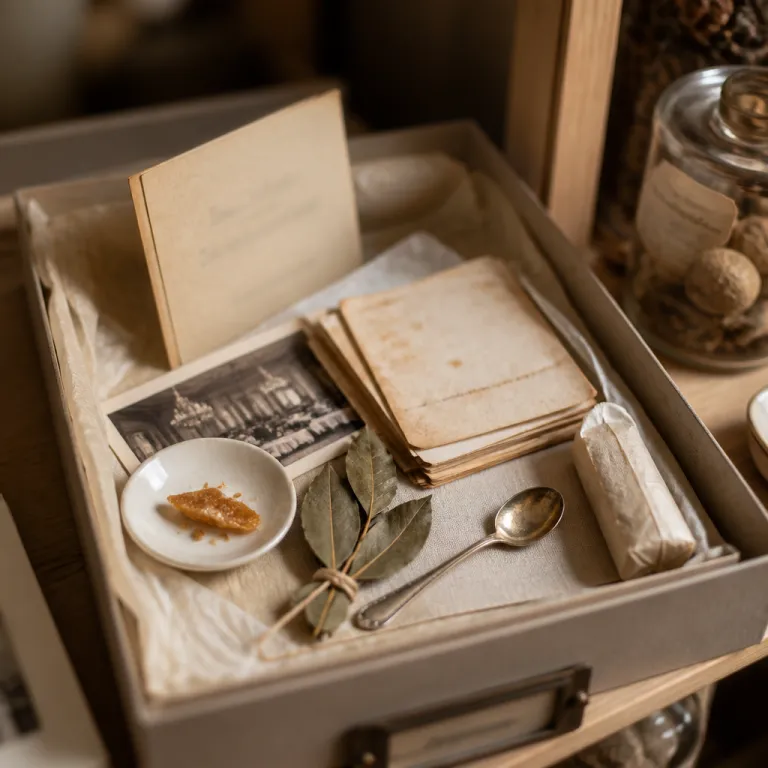
From archive to plate: why palace hotel chefs cook the past
In the most characterful palace hotel dining rooms, the menu now reads like a curated archive rather than a passing trend list. Executive chefs and in-house archivists work together so that each culinary team can translate fragile menu cards, ledger notes, and royal household records into a living record of the property’s food history. For travelers choosing between luxury hotels, this shift means that dinner can feel as historically charged as the grand staircase or the ballroom ceiling.
Across the United States and Europe, several historic hotels have quietly inducted older culinary traditions into their core guest experience, treating recipes with the same care usually reserved for art or antiques. The practice is structured rather than nostalgic; culinary teams follow a clear timeline of historical menu collection, menu analysis, and modern menu creation, using archival research, kitchen testing, and customer feedback as tools. As food historian and consultant Heather Cox, who has advised Omni Parker House in Boston, notes, “We don’t just frame old menus on the wall; we cook from them so guests can taste the story.”
For a solo explorer planning a stay in a palace or grand inn, this matters because heritage dining programmes often command noticeable premiums over standard hotel restaurants, and guests are paying for narrative as much as for food. When you book a historic hotel or resort, you are no longer just choosing a room category; you are choosing whether your evening dining will connect you to settlers’ feasts, royal banquets, or the first days of hotels in America opening to international travelers. That is the quiet power of a carefully researched and tested historic menu when it is staged in a contemporary restaurant.
Ritz Paris and the Escoffier blueprint: a living menu, not a museum
At the Ritz Paris, the story of the dining room begins in the archive room, where menu cards from the Escoffier era sit beside photographs of glittering banquets. Auguste Escoffier served as chef de cuisines there from 1898 to 1920, and today’s brigade works with historians to authenticate each recipe, then adjust technique and sourcing so that the dish feels precise rather than heavy to a modern palate. The result is a restaurant experience where the same walls, the same chandeliers, and almost the same recipes frame your evening, yet the cooking respects contemporary expectations for lighter sauces and transparent sourcing.
Escoffier-era dishes such as sole, trout, or cream pie–inspired desserts are not copied blindly; instead, the hotel chef uses archival notes as a base, then layers in modern farm-to-table sourcing and careful plating. This is where culinary heritage becomes a commercial asset, because guests will pay a premium when they understand that their tasting menu is part of a lineage stretching back through decades of banquets. For travelers comparing historic hotels and newer luxury properties across America, this kind of programme is a clear marker of a hotel that has been inducted into the serious league of culinary destinations rather than simply adding a fashionable restaurant.
Ritz Paris is far from alone; properties such as Omni Parker House in Boston, the Brown Hotel in Louisville, and Palmer House in Chicago have each built reputations around a single emblematic recipe that anchors their narrative. The Omni Parker House restaurant leans on the original Parker House roll and Boston cream pie, documented in an 1879 menu now held in the Massachusetts Historical Society, while the Brown Hotel is inseparable from its hot brown sandwich, first served in 1926, and Palmer House remains tied to its brownie recipe and green goddess dressing. For a deeper dive into how these kitchens operate as destination restaurants within historic hotels, the guide to how historic palace kitchens become culinary destinations offers useful, property-specific context.
From Taj Lake Palace to French Lick: global traditions on the same table
Move from Paris to Udaipur and the culinary narrative takes on a different texture, shaped by royal households rather than grand cafés. At Taj Lake Palace, the hotel chef works with palace retainers and local historians to preserve Mewar culinary traditions, from spice blends to slow-cooked game recipes that never appeared in printed menus. Here the archive is partly oral, and the dining room becomes a stage where recipes once cooked for a single royal family are now served to a handful of guests each night, often with servers explaining the origin of each dish tableside.
In the United States, French Lick Resort in Indiana offers another angle on culinary heritage, drawing on its past as a glamorous retreat for America’s elite and on the agricultural traditions of the surrounding countryside. Menus reference the resort’s own golden era, when guests arrived by train and expected trout from nearby rivers, red and brown sauces in the French style, and desserts that felt unapologetically rich. When you sit down to dinner there today, you are tasting a carefully edited version of that history, with lighter preparations, plant-based options, and allergen transparency layered over the original recipes.
Asian palace properties are also rereading their archives, particularly in major cities such as Hong Kong and Shanghai, where palace-style hotels now treat their Chinese restaurant as a showcase for regional culinary heritage. For travelers interested in how refined palace dining elevates Chinese cuisine while still respecting historic recipes, the feature on refined dining at a Chinese palace restaurant is a valuable companion read. Whether you are in San Francisco, Udaipur, or a lakeside resort in Europe, the pattern is the same: the most interesting hotels use their own archives as a pantry of ideas rather than a marketing prop.
Signature dishes as edible emblems: from Boston cream pie to mint julep
Some palace hotels have a single dish that carries almost the entire weight of their culinary heritage, and understanding these emblems helps you choose where to book. Omni Parker House in Boston is a textbook case; the Omni Parker team treats the original Parker House roll and Boston cream pie as both recipe and brand asset, ensuring that every new iteration respects the historic texture and flavour balance. When you order that cream pie in the restaurant today, you are participating in a story that has been refined but never broken.
In Louisville, the Brown Hotel’s hot brown sandwich plays a similar role, its red tomatoes and brown turkey gravy forming a visual shorthand for the property’s place in America’s dining story. The Brown Hotel bar extends this narrative with mint julep service that references Kentucky’s bourbon heritage, while the main dining room uses trout, local vegetables, and even green goddess–style dressings to connect with regional culinary traditions. These dishes are not static; chefs adjust portion sizes, garnish, and technique so that the plate feels luxurious yet aligned with modern wellness expectations.
Elsewhere in the United States, Palmer House in Chicago and Settlers Inn in Pennsylvania show how smaller hotels and inns can also leverage inducted historic recipes to win awards for excellence. Palmer House leans into its brownie and green goddess heritage, while Settlers Inn uses farm-driven menus to tell a story of settlers, rivers, and forests that feels grounded rather than nostalgic. When you browse Palace Stay listings, pay attention to whether a palace, resort, or inn has one or two such signature dishes, because they often signal a deeper commitment to culinary history behind the scenes.
How to book for heritage on the plate: reading menus like an insider
For a solo explorer using a luxury booking platform, the challenge is to translate a hotel’s culinary history into concrete booking choices. Start by scanning each hotel or resort page for references to historic hotel affiliations, inducted historic status, or specific awards for excellence tied to dining rather than just spa or design. Properties that mention archivists, culinary historians, or menu collections are usually the ones where the restaurant is treated as seriously as the suites.
Next, read the restaurant section as if it were a museum label; look for named dishes such as Boston cream pie, hot brown, trout meunière, or green goddess salad that are clearly linked to the property’s own story. If a palace hotel explains that its head chef has reinterpreted a recipe from a San Francisco banquet, a Parker House celebration, or a commander-style officers’ dinner, you can expect a more thoughtful experience than at hotels that simply list generic red meat, brown sauce, and pie options. When a menu notes collaboration with historians or archivists, it usually signals that the culinary narrative has been tested against real records rather than invented for marketing.
Finally, consider how the arrival experience and the dining room connect, because the most sophisticated palace hotels choreograph both as part of a single narrative. A useful reference here is the analysis of how palace hotels engineer your first sixty seconds, which shows how a historic hotel can align its lobby, bar, and restaurant storytelling. When you find a palace, inn, or resort where the archive shapes the welcome cocktail, the tasting menu, and even the breakfast buffet, you have located a property where culinary heritage is not a slogan but a daily practice.
FAQ
Why do palace hotel chefs use historical menus when creating dishes?
Palace hotel chefs use historical menus to preserve culinary heritage and to offer dining experiences that feel specific to their property rather than interchangeable. They work with archivists, historians, and culinary experts to analyse old menu cards, ledgers, and recipe notes, then adapt these dishes with modern techniques and lighter preparations. This approach differentiates their hotels from competitors and allows guests to engage with the building’s history through food.
How do hotels access and authenticate their old recipes?
Many historic hotels maintain in-house archives, while others rely on national libraries, private collections, or specialist institutions such as the Buttolph Collection of Menus at the New York Public Library or the American Antiquarian Society in Worcester. Archivists catalogue original menus and related documents, then share them with the hotel chef and culinary team for analysis. Chefs often cross-check these materials with period cookbooks and work with food historians to ensure that the resulting dishes are faithful to the original intent while still suitable for contemporary diners.
What should I look for when booking a palace hotel with strong culinary history?
When booking, look for explicit references to historic hotel status, membership in historic hotels networks, or mention of inducted historic recognition tied to dining. Read the restaurant description carefully and note whether the property highlights specific signature dishes, such as Boston cream pie at Omni Parker House or the hot brown at the Brown Hotel, and whether these are linked to verifiable stories. Hotels that discuss archives, culinary traditions, and collaborations with historians usually offer a more coherent approach to food history.
Are heritage-based menus suitable for modern dietary preferences?
Most palace hotels now balance historical authenticity with current dietary expectations, offering plant-based options, gluten-free adaptations, and clear allergen information alongside archive-inspired dishes. Chefs may preserve the flavour profile of a historic recipe while changing cooking fats, reducing portion sizes, or adjusting techniques to make the dish lighter. When in doubt, contact the restaurant in advance; serious heritage programmes are usually flexible and transparent about how they can adapt their menus.
Can non-guests experience these heritage dining programmes?
In many cases, yes; palace hotels and historic hotels often open their restaurants and bars to non-resident guests, especially for signature dishes or special heritage dining events. Some properties even organise archive-themed tasting menus, afternoon teas, or cocktail evenings that showcase recipes such as mint julep variations, green goddess dressings, or regional trout preparations. When planning a trip, check whether the hotel accepts external reservations, as this can be an efficient way to experience historically informed dining without booking a room.