The new palace promise: silent personalization across continents
Step into a palace hotel suite in Milan and the lighting already matches your preferred evening glow. At properties such as the Mandarin Oriental, Milan or the Four Seasons Hotel Milano, the most advanced palace hotel AI–driven personalization now carries your profile from one grand address to another, so your stay in Kyoto quietly reflects the same guest preferences you set in Europe. For frequent guests who blend business travel and leisure, this creates a seamless guest journey that feels curated rather than choreographed.
Luxury brands such as Mandarin Oriental Hotel Group, Four Seasons, and Jumeirah use artificial intelligence embedded in AI powered CRM systems and smart room tools to interpret guest data from every stay. These digital platforms track how you adjust your room temperature, which pillows you request, and even how often you use room service, then translate those guest experiences into default settings for your next visit. At the Mandarin Oriental, for example, a returning guest described it this way: “It felt as if the room had been living with me for years.” The objective is clear: enhance guest satisfaction, protect revenue through repeat bookings, and refine customer experience without forcing travellers to repeat the same requests at every check in.
For the hospitality industry, this shift is not a tech experiment but a structural change in how service is delivered. Palace-style hotels, working with partners such as Caramel Signature Concierge or technology vendors like Oracle Hospitality and Amadeus, now use machine learning to anticipate needs and notify guests in real time about relevant services, from spa appointments to late check out options. As a guest, you experience personalized service that feels based on real behaviour, not on generic assumptions about luxury travel planning. The palace question is whether this level of personalization deepens the human touch or risks turning hospitality into a purely digital script.
Inside the smart room: what AI personalizes before you arrive
Walk into a palace room after a long flight and the thermostat already sits at your preferred 21 °C. Behind that small comfort lies a sophisticated layer of palace hotel guest personalization technology powered by AI that has learned from previous stays across the same hotel group. At the Bulgari Hotel Paris, for instance, returning guests often find their preferred climate and lighting already set. The hospitality industry is moving from reactive service to agentic systems that quietly prepare the stage for your stay before you even leave the airport.
In practice, artificial intelligence now calibrates lighting colour temperature, curtain positions, and even the television dashboard based on your earlier choices. If you always switch to a financial news channel and stream jazz playlists, the system can pre arrange the TV interface and audio settings so the room feels instantly familiar to frequent guests. Some palace properties go further, using programmable diffusers to match the scent profile you favoured in Paris when you check into a suite in the Middle East, creating a subtle continuity in your guest experience. At Jumeirah Al Naseem in Dubai, for example, returning guests can request a signature fragrance that follows them from room to spa.
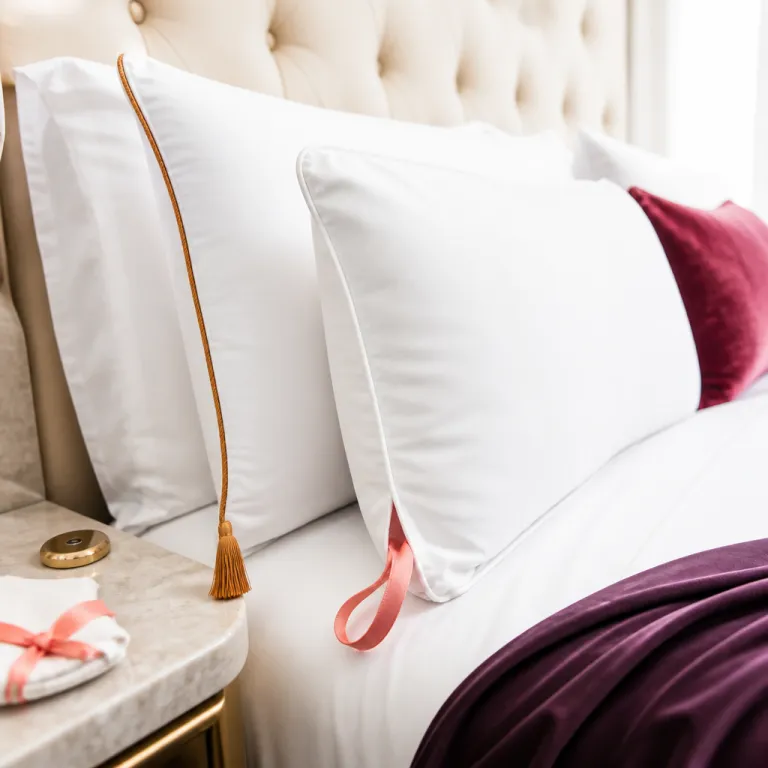
Minibar curation is becoming another frontier for personalized experiences, with AI analysing purchase data to stock your room with the right sparkling water, preferred chocolate, or alcohol free options. At some Raffles and Kempinski properties, minibar assortments already adapt to repeat orders. Pillow menus, once a theatrical gesture, now sit behind the scenes as the system records which firmness you chose and repeats it automatically for future travel. For travellers who care about style as much as comfort, this invisible personalization pairs naturally with curated packing, and guides such as this elegant shoe selection for palace stays show how wardrobe planning can mirror the same level of tailored detail. When executed well, these tools elevate guest experiences without a single app tap or form to complete.
The uncanny valley of service: when personalization feels intrusive
There is a fine line between a palace remembering your pillow and a palace remembering your late night room service habit. Guests usually welcome a hotel that notes their allergy to shellfish or their need for a quiet room far from the lift. Yet the same palace hotel AI personalization capabilities can feel unsettling when they reference private patterns that guests never expected to be logged. One guest at a Parisian grand hotel described it as “a little eerie” when staff mentioned a favourite midnight snack from months earlier.
The most sensitive point in the guest journey is often the moment when staff reference data driven insights too explicitly. A maître d’ who says nothing but seats you at your usual corner table feels discreet, while a server who jokes about your third martini from last stay can undermine guest satisfaction in a single sentence. Luxury hospitality depends on the human touch, so the best properties train their équipe to translate artificial intelligence outputs into soft, human language rather than direct quotes from a dashboard. At The Ritz-Carlton, for instance, internal guidelines emphasise “quiet notes, not loud announcements” when using guest intelligence.
Palace-style hotels address this by using AI as a backstage tool rather than a front stage script, allowing concierges and butlers to interpret guest preferences with tact. For example, the system may notify guests about a new wellness menu because it knows they previously booked spa treatments, but the message is framed as a timely suggestion rather than a data driven nudge. Style focused travellers who care about grooming rituals will recognise the same balance in curated services such as an elegant hair experience for palace travellers, where personalization enhances the ritual without feeling clinical. The goal is always to keep the guest experience anchored in human conversation, not algorithmic commentary.
Data, ethics and the palace guest profile
Every personalized room setting, minibar choice, and concierge suggestion rests on a growing archive of guest data. For palace hotels operating across Europe, North America and the Middle East, the challenge is to honour strict regulations such as GDPR and CCPA while still delivering fluid personalized travel experiences. Guests are increasingly aware that their travel planning leaves a digital trail, and they expect the hospitality industry to handle that trail with discretion. A 2023 Skift survey, for example, found that most luxury travellers are willing to share data if hotels clearly explain how it improves their stay.
Palace-style brands use AI powered CRM platforms to store guest profiles, but they also build clear preference centres where guests can edit, delete, or limit the use of their information. The official guidance shared with travellers is explicit: “AI analyzes past interactions to anticipate needs.” and “Hotels implement strict data protection measures.” and “Can I update my preferences?” “Yes, through hotel apps or direct communication.” These statements reflect a broader shift in customer service, where transparency about artificial intelligence becomes part of the luxury promise rather than a technical footnote.
For travellers who move between brands, a key question is what happens to their profile when loyalty changes or when a stay is booked through a third party platform. Some palace groups now allow guests to carry a minimal, privacy focused profile that stores only essential guest preferences such as bed type, dietary notes, and communication style. Articles such as this analysis of how booking timelines reshape palace trends show how data flows already influence revenue strategies and guest experiences across portfolios. As a traveller, the most practical step is to provide accurate preferences during your initial stay and then refine them through the app or concierge, keeping control of what is remembered and what is forgotten.
The hybrid model: AI logistics, human emotion
The most sophisticated palace hotels now treat AI as the silent stage manager and staff as the lead performers. Artificial intelligence handles logistical personalization in real time, from pre setting your room temperature to flagging your gluten free diet to the kitchen. Human teams then focus on emotional personalization, crafting personalized experiences that feel spontaneous rather than scripted. As one head concierge in Geneva put it, “The system remembers the details; we remember the stories.”
In practice, this means AI systems manage repetitive guest requests such as feather free pillows, extra towels, or a standing 07:00 wake up call. The concierge and butler teams are then free to design higher level guest experiences, such as a private gallery visit during a business trip extension or a last minute weekend in the Middle East tailored to your cultural interests. This division of labour respects the human touch at the heart of hospitality while using digital tools to remove friction from the guest journey.
From a revenue perspective, palace hotel AI personalization tools also help identify when to offer meaningful upgrades or late check out that align with actual travel patterns. The hospitality industry has learned that guests are more receptive to offers that feel based on real behaviour, not on generic upsell scripts. For travellers, the litmus test is simple: does the personalized service free you to enjoy the palace, or does it demand more attention than it saves? When the balance is right, customer experience feels effortless, and the palace once again becomes a stage for memory rather than for menus and settings.
How to brief your palace: practical tips for AI ready stays
For discerning travellers, the most effective way to benefit from palace hotel AI personalization is to treat your first stay as a calibration. During that initial visit, take a few minutes to adjust lighting, thermostat, and pillow choices so the system can learn your baseline guest preferences. This small investment in planning pays off when future rooms across the same hotel group mirror your ideal environment without further effort.
Use the hotel app or pre arrival email to share key information about your travel planning, from dietary requirements to preferred housekeeping times. These digital channels feed directly into the AI systems that orchestrate room service timing, minibar stocking, and even the best moment to notify guests about spa availability or car transfers. When your data is accurate and up to date, the hospitality industry can deliver personalized service that feels almost telepathic while still respecting your privacy boundaries. For travellers who value control, this is also the moment to specify what should never be tracked.
Finally, remember that the most memorable guest experience still depends on dialogue with real people. Speak with the concierge about your schedule, explain how you like to balance meetings and leisure, and clarify any limits on how your data should be used. Palace-style hotels report that guests willing to pay more for personalized stays often value this blend of technology and conversation most, because it turns artificial intelligence into a discreet ally rather than a dominant presence. In the end, the palace that remembers your pillow preference but still asks how you slept is the one that understands luxury as both memory and moment.
FAQ: AI personalization in palace hotels
How does AI remember my preferences across different palace hotels ?
AI systems in palace hotels use a central CRM platform to store structured guest data such as preferred room temperature, pillow type, and dietary notes. When you book another stay within the same group, the system applies those guest preferences to your new room configuration. Staff then review and refine these suggestions to ensure the final guest experience remains appropriate to the property and the purpose of your travel.
Can I control what the hotel remembers about me ?
Yes, most luxury palace hotels now offer preference centres in their apps or through the concierge desk where you can review, edit, or delete stored information. You can usually specify which aspects of personalization you want, such as room settings, communication style, or special occasion notes. If you prefer minimal data storage, you can request that only essential details for guest safety and basic comfort are retained.
Is my data secure when palace hotels use artificial intelligence ?
Leading palace brands operate under strict privacy regulations such as GDPR in Europe and CCPA in California, which define how guest data must be stored and processed. Security measures typically include encryption, access controls for staff, and regular audits of hospitality industry systems. When evaluating a property, you can ask how long they retain your profile, whether they share it with partners, and how they handle data if you stop staying with the brand.
Will AI replace the human touch in luxury hospitality ?
In palace hotels, AI is designed to handle logistics rather than emotion, automating tasks such as setting the thermostat or scheduling room service. The human touch remains central for nuanced interactions, from personalised welcome rituals to complex travel planning and problem solving during your stay. The most successful properties use AI to free staff time so they can focus on higher level guest experiences instead of repetitive administrative work.
What should I do on my first stay to benefit from future personalization ?
During your first stay with a palace group, take time to adjust lighting, temperature, and pillow options so the system can learn your preferences accurately. Share any important information about allergies, wellness routines, or work patterns with the concierge or through the app. This creates a precise profile that allows future rooms to feel instantly familiar while still leaving space for staff to tailor each visit to the specific purpose of your trip.