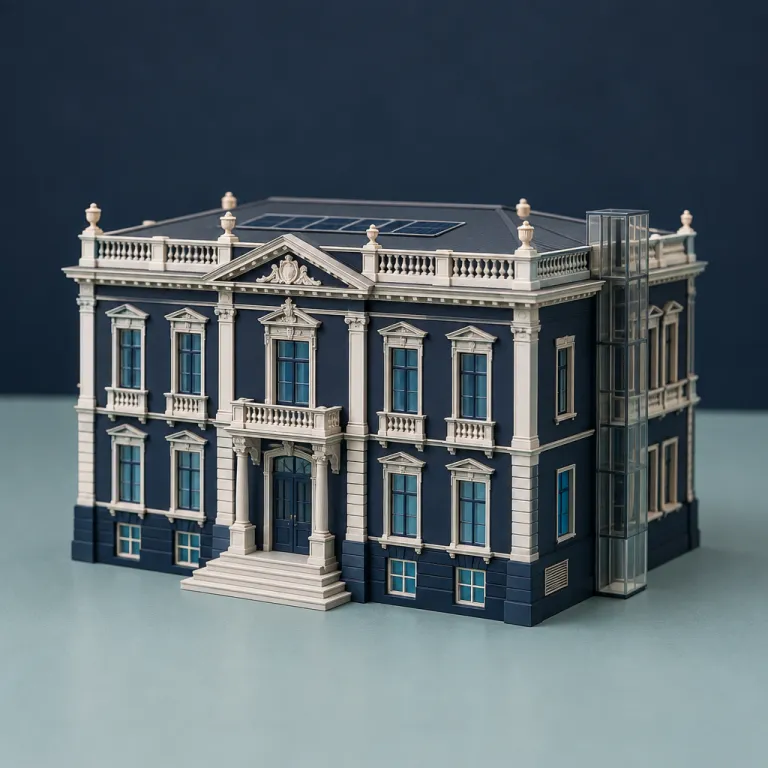
The quiet tension inside every palace conversion
A palace hotel conversion that blends royal heritage with modern comfort always begins with a negotiation. Guests arrive expecting a luxury hotel with flawless climate control, silent rooms and lighting that works as intuitively as their phone, while heritage authorities insist that original walls, staircases and window proportions remain almost untouched. The best palace hotels make this tension invisible, yet every small decision about a room layout, a corridor or a house wing reflects a hard-fought compromise between comfort and conservation.
When you book a palace hotel in a historic city, you are not choosing a neutral building; you are entering a property whose stone has already lived a long story of power, ceremony and sometimes neglect. In India, for example, a former royal bhawan palace or a wing of Umaid Bhawan in Rajasthan may have been adapted from private residence to heritage hotel through painstaking adaptive reuse, with each new opening of a suite scrutinised by both the royal family and the local heritage office. At Umaid Bhawan Palace, where the Taj group began operating part of the property as a hotel in 2005, architects spent years threading services through 26 acres of built fabric without disturbing the Art Deco detailing. That is why palace heritage conversions often feel different from new luxury hotels, because every room carries traces of earlier lives that architects are not allowed to erase.
For couples planning luxury travel, this means the word hotel hides a complex restoration process that you never see. A palace conversion can require two to five years of structural surveys before a single piece of furniture reaches the room, and service standards must be redesigned so that staff can move discreetly through palaces and forts without cutting new service corridors. Conservation architect Abha Narain Lambah has described this as “designing a backstage city that guests will never notice, inside a building everyone wants to look at.” When you scroll through a collection of heritage hotels on a booking website, remember that each polished image represents thousands of design decisions about where modern comfort ends and the integrity of a heritage palace must begin.
From UNESCO charters to local inspectors: who decides what can change ?
Not every palace hotel restoration project plays by the same rulebook. Some palace hotels sit within UNESCO World Heritage sites, where any change to a building façade, garden axis or view corridor must respect international charters, while others are simply listed on a national or city register with more flexible guidelines. For a couple comparing heritage hotels online, this invisible regulatory context explains why one palace hotel offers expansive spa facilities and another, in a stricter zone, keeps wellness discreetly tucked into existing vaulted rooms.
In Rajasthan, a heritage palace that forms part of a historic urban ensemble may be governed by both the Archaeological Survey of India and municipal heritage committees, which can limit how many new bathrooms a luxury hotel operator may insert into a fragile wing. By contrast, a hotel in a European city might answer primarily to a local conservation officer who focuses on street elevations but allows more freedom inside, enabling creative adaptive reuse of attics into romantic suites. In Prague, for instance, conservation guidelines issued after the city’s 1992 World Heritage inscription emphasise rooflines and street views, giving hotel designers more latitude to reconfigure interiors. These different layers of control shape everything from room size to whether a small lift can be threaded through a seventeenth-century house staircase without damaging craft traditions in the stonework.
Garden regulations matter as much as walls, especially for palace luxury properties where couples expect sunset walks more than grand lobbies. Some of the most atmospheric palace hotels are those where landscape architects work within strict heritage rules to revive historic parterres and water channels, a topic explored in depth in this guide to palace hotels where the garden matters more than the lobby. At several former raj bhawans in Rajasthan, for example, designers have restored 19th-century stepwells and fountains using traditional lime mortar, while hiding irrigation pipes and low-energy pumps underground. When you choose between luxury hotels in a heritage city, you are also choosing between regulatory frameworks that quietly dictate how far modern comfort can extend into courtyards, terraces and the wider property.
Why heritage compliant comfort costs more per room
Every palace hotel restoration brief carries a cost premium that rarely appears on the booking page. A new hotel building on the edge of a city can stack identical rooms efficiently, while a heritage palace must adapt to existing wings, irregular floor levels and thick masonry that resists new plumbing. This is why a small collection of suites in a converted bhawan palace may command higher rates than a much larger contemporary luxury hotel nearby.
Adaptive reuse in heritage hotels often means opening floors carefully, threading new pipes through centuries-old walls and hiding air conditioning behind carved screens so that palace details remain visible. In India, converting a royal house into a hotel India level property can involve importing specialist engineers who understand both seismic reinforcement and traditional craft traditions, which increases the cost per room significantly. A 2018 study by the Indian National Trust for Art and Cultural Heritage (INTACH) estimated that sensitive restoration can cost 20–30% more than new construction of similar size. When you see a perfectly temperate room inside Umaid Bhawan or similar palaces and forts, you are paying for the invisible engineering that allows modern comfort without compromising the building.
Some architects simply walk away from these projects because the financial and technical constraints are too severe. The story of one Japanese conversion, explored in this analysis of Japan's boldest hotel conversion, shows how even non-palace buildings demand extraordinary investment to meet luxury travel expectations while respecting heritage. In that case, the operator reportedly spent over a decade navigating regulations and retrofitting the 1920s structure before opening as Hoshinoya Nara. When a palace luxury project does proceed, the operator must balance service standards, staffing levels and long-term restoration budgets, which explains why heritage hotel stays often feel more expensive yet also more emotionally resonant than nights in standard hotels.
Invisible modernity: how architects hide the twenty first century
The most successful palace hotel conversions that reconcile historic architecture with modern comfort share one principle; modern systems should be felt, not seen. Guests want cool rooms, hot showers and fast Wi-Fi, but they also want to feel that the palace has changed as little as possible since its royal heyday. To achieve this, architects and engineers collaborate on what might be called invisible modernity, embedding technology within the existing fabric of heritage hotels so discreetly that you rarely notice it.
In a carefully restored heritage palace, air conditioning may be concealed behind perforated wooden panels that echo original jaali screens, while wiring runs under raised floors that respect historic stone patterns. A luxury hotel carved from a seventeenth-century house might hide fire safety systems within old chimneys, turning redundant flues into lifelines that meet contemporary service standards without scarring the walls. At one restored haveli in Jaipur, designers even used former servant passages as hidden ducts for fresh air, preserving frescoed ceilings above. This kind of adaptive reuse demands patience and respect for craft traditions, because every grille, sprinkler and sensor must sit comfortably within the design language of the palace.
Lighting is where invisible modernity becomes most poetic. In many palace hotels, LED strips are tucked into cornices to graze frescoes gently, a technique explored further in this feature on the material language of palace hotels. Designers often work with colour temperatures around 2700–3000K to mimic candlelight while still meeting modern lux levels for safety. When you walk through a collection of luxury hotels that have mastered this approach, you feel both the weight of heritage and the ease of modern comfort, even if the story of how the building was transformed remains hidden behind the scenes.
What couples should accept, and what they should not
For travellers, the palace hotel restoration versus modern comfort dilemma becomes personal the moment you open the door to your room. Floors may slope slightly, windows might be smaller than in new hotels and some wings of the property could lack direct lift access, especially in older palaces and forts. These quirks are not service failures but the price of preserving a heritage palace that still feels authentic rather than over-sanitised.
That said, a luxury hotel stay in a converted house or bhawan palace should still meet clear service standards, from consistent hot water to attentive yet discreet service in both rooms and public spaces. When a heritage hotel leans too heavily on its story and neglects basics like soundproofing or mattress quality, the balance tips from charming to frustrating, particularly for couples on a rare luxury travel escape. As one European conservation officer put it during a 2019 hotel conversion review, “historic fabric is not a licence to ignore basic comfort.” Guests are right to expect that adaptive reuse will not be used as an excuse for poor maintenance or indifferent service in any part of the collection.
As you compare palace hotels in Rajasthan, Europe or beyond on a booking platform, read between the lines of each property description. Look for honest mentions of small bathrooms, split-level rooms or limited accessibility, which signal that the hotel is transparent about the constraints of its building. When you choose a palace luxury stay in hotel India or elsewhere, you are choosing to participate in the ongoing restoration of heritage hotels, helping to fund craft traditions and conservation work that keep these palaces alive for future travellers.
FAQ
Why are palace hotel rooms often smaller or irregularly shaped ?
Rooms in a palace hotel are usually carved from existing royal suites, service quarters or administrative offices, so architects must respect original walls and window placements. This heritage constraint limits how much they can enlarge or standardise each room. The result is often a more characterful but less uniform set of spaces than in new hotels.
Is a heritage palace hotel worth the higher price for a short stay ?
A stay in a heritage palace hotel typically costs more because restoration, adaptive reuse and ongoing conservation are significantly more expensive than building a new property. For a short romantic trip, the emotional value of sleeping in a historic palace, surrounded by original craft traditions and architecture, can justify the premium. If you prioritise spa facilities and large rooms over atmosphere, a contemporary luxury hotel may offer better value.
How can I tell if a palace conversion respects its heritage ?
Look for clear information about restoration work, conservation partners and any heritage listings or awards mentioned on the hotel website. Properties that highlight original materials, traditional artisans and careful design choices usually take their heritage responsibilities seriously. Reviews that praise both atmosphere and comfort suggest that the balance between preservation and modernity has been handled well.
What level of modern comfort should I expect in a seventeenth century palace ?
You should expect reliable climate control, clean and functional bathrooms, good bedding and professional service standards, even in very old palaces. Some compromises are normal, such as uneven floors, slightly smaller bathrooms or indirect lift access to certain wings. If a property cannot meet these basic expectations, it should be transparent about the limitations before you book.
Are palace hotels suitable for guests with limited mobility ?
Many palace hotels face structural constraints that make full accessibility difficult, such as narrow staircases, split levels and protected façades that prevent new ramps or lifts. Some properties have invested in discreet lifts, accessible rooms and adapted routes, while others remain challenging for guests with mobility issues. It is essential to contact the hotel directly, explain your needs in detail and request specific information about accessible paths and room options.