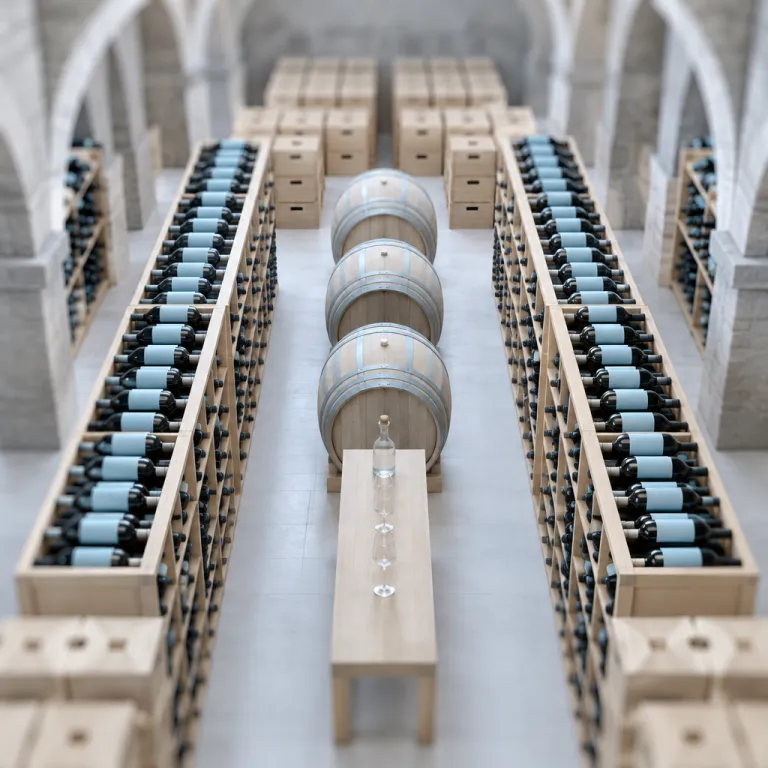
The palace hotel wine cellar as a guardian of liquid history
In a true palace hotel, the wine cellar is never just storage. It is the quiet archive where the property’s past, its grands crus and its most ambitious dinners are written in glass rather than ink. When you book a stay, understanding this hidden world can transform a simple hotel dinner into a heritage dining experience that feels genuinely rare.
Many palace wine cellars actually predate the hotel itself, especially in former urban mansions in Paris or seaside estates in Monte Carlo that were once private châteaux. Underneath a grand hotel in Paris, for example, you may find stone vaults that once belonged to a noble family’s cellar, later expanded as the hotel’s team added more wines and more bottles to support modern gastronomic restaurants. These layered spaces explain why a palace hotel wine cellar and its sommelier-led heritage dining program often feel richer than what you encounter in contemporary resorts or new-build hotels.
Think of a Left Bank cellar hotel where the original château cellars run for hundreds of metres, then meet a newer wing built to house temperature-controlled wine rooms for large-format bottles and rare vintages. In Monte Carlo, the cellars of the Hôtel de Paris Monte-Carlo are legendary; according to the Société des Bains de Mer, they were founded in 1874 and now hold one of the largest hotel collections in Europe, shaping how guests experience every tasting and every private dinner. When a palace positions its wine cellar at the heart of its identity, the hotel’s restaurants, bars and even in-suite dining all orbit that deep, cool core.
For families planning luxury travel, this heritage matters more than it first appears. A palace hotel that treats its cellar as a living museum tends to invest similarly in service, kids’ menus and flexible dining times, because the same culture that protects grands crus also respects multi-generational guests. When you read about a property’s wine list, look for references to historic cellars, to château partnerships and to long-standing relationships with producers, as these usually signal a serious commitment to both wines and hospitality.
Architecture underground: how palace wine cellars shape the guest experience
The architecture of a palace hotel wine cellar quietly dictates how you will taste, talk and linger over wines. Converted palaces in Paris often rely on thick stone walls and deep underground chambers, where natural insulation keeps the cellar cool and stable without aggressive technology. Purpose-built resort cellars, by contrast, may use glass, steel and dramatic lighting to showcase bottles, but they rarely carry the same sense of time-layered history.
In a former urban château turned hotel in Paris, the cellar might sit three levels below the lobby, with low arches, narrow corridors and alcoves dedicated to grands crus from Bordeaux, Burgundy and Champagne. These historic vaults can be challenging for sommeliers, who must manage humidity, airflow and access while protecting fragile labels and corks on rare bottles such as Château d’Yquem. Yet those same constraints create the atmosphere that makes a guided tasting or private dinner in the cellar feel like a genuine immersion into the property’s past.
Along the Riviera, the architecture shifts again, especially in Monte Carlo where the Société des Bains de Mer estate links several hotels, restaurants and spas. Beneath the Hôtel de Paris Monte-Carlo, the famous wine cellar stretches like an underground city, with separate rooms for different regions, a dedicated space for the best wine from each vintage and a secure area for the rarest bottles reserved for exclusive dinners. Families staying at a nearby resort within the same group can sometimes arrange a cellar visit through the concierge, turning a simple afternoon into a quietly educational moment for older children interested in history and geography.
These architectural differences also influence how palace hotels design heritage dining experiences. A compact cellar hotel in Paris might host intimate tastings for six guests at a time, pairing small plates with flights of wines that trace the city’s role in European trade. A larger Monte Carlo property may stage grander events, such as a series of themed dinners that compare Riviera selections with classic French regions, sometimes tying in culinary programs like palace-level noodle experiences to show how wine can elevate even the simplest dishes.
The sommelier’s tightrope: preservation, access and family friendly guidance
Behind every serious palace hotel wine cellar stands a head sommelier walking a daily tightrope between preservation and access. Their role is not only to protect rare bottles but to ensure that guests, including families, can actually enjoy the wines rather than just admire them from a distance. When a property talks about its cellar-focused heritage dining, it is really describing this delicate balance.
A seasoned sommelier in a landmark Paris hotel will know exactly when a case of grands crus is entering its perfect drinking window and which guests might appreciate a quiet tip about it. They must decide whether a legendary bottle of Château d’Yquem should be poured at a single exclusive dinner or shared across several smaller tastings, each one giving different travelers a chance to experience the cellar’s depth. In Monte Carlo, a sommelier working within the Société des Bains de Mer group might juggle allocations between multiple hotels, ensuring that both resort guests and fine-dining regulars can access the best wine selections without depleting the cellar too quickly.
For families, the sommelier’s expertise becomes a form of gentle curation. A good cellar hotel team will suggest half-bottles or by-the-glass pours from the wine list so that parents can explore serious wines while still keeping dinner relaxed and child friendly. They may propose a short cellar visit before an early dinner, turning the rows of bottles into a geography lesson, then guide you toward food pairings that work as well with a gourmet burger from a palace brasserie as with a multi-course tasting menu, especially in properties that highlight elevated comfort food through gourmet burger palace experiences.
From a practical standpoint, you should treat the sommelier as your primary ally in navigating both heritage and budget. Ask openly about which wines offer the best value from the cellar that year, and which bottles the team is most excited to pour rather than simply to store. If you are planning travel during shoulder seasons, combine this advice with rate strategies such as those outlined in shoulder season palace stays, so that savings on your room can justify a splurge on a special bottle or a private tasting.
From balance sheet to banquet: the investment logic of palace wine programs
What you see on a palace wine list is only the visible tip of a much larger financial structure. Below ground, the wine cellar functions as both a working inventory and a long-term asset that can appreciate significantly over the years. For owners of heritage hotels, especially those in Paris and Monte Carlo, this dual role shapes everything from purchasing strategies to the design of exclusive dinners.
When a palace acquires young grands crus or future icons like Château d’Yquem en primeur, it is effectively banking on the wines’ future value, both in taste and in price. As these bottles mature in the cellars, their market value often rises faster than many other assets on the property’s balance sheet, especially when guided by sommeliers who follow benchmarks such as Wine Spectator ratings and auction data. This is why some cellar-focused hotel operations maintain detailed tracking of each bottle’s acquisition cost, current valuation and ideal drinking window, treating the wine collection almost like a carefully managed portfolio.
Yet the real return on investment only materializes when those wines are opened for guests. A palace hotel wine cellar and its sommelier team might structure a series of private dinners that showcase vertical tastings of a single château, pricing the experience to reflect both the rarity of the bottles and the storytelling around them. Families who value experiences over objects often find that allocating part of their travel budget to one such dinner creates a shared memory that outlasts any souvenir, especially when the sommelier frames each pour within the history of the hotel, the resort and the wider region.
For you as a guest, understanding this investment logic can help you read a wine list more intelligently. Look for sections where the pricing seems relatively gentle compared with the reputation of the wines, as this often signals older stock purchased before recent market surges. When a sommelier points out a Monte Carlo selection from the early days of a producer’s rise, or a Paris allocation secured through a long relationship with a domaine, you are being invited into the financial as well as the sensory story of the cellar.
How to access the palace cellar: practical steps for curious travelers
Securing meaningful access to a palace wine cellar is less about status and more about asking the right questions with genuine interest. Start before you travel by emailing the hotel to inquire about tastings, cellar tours or heritage dining events linked to the wine program. Mention that you are interested in the palace hotel’s wine cellar and sommelier-led experiences, and that you would like suggestions suitable for a family stay.
Once on site, speak with the sommelier early in your visit rather than waiting until the final dinner. Ask whether the hotel offers short cellar visits for guests, perhaps combined with a focused tasting of three or four wines that illustrate the history of the cellars, from early château acquisitions to more recent partnerships. In some Paris and Monte Carlo properties, especially those within the Société des Bains de Mer portfolio, such as the Hôtel de Paris Monte-Carlo and its neighbours, these experiences can be arranged as private sessions scheduled around children’s bedtimes or kids’ club hours.
When you sit down to dinner, use the wine list as a conversation starter rather than a static menu. Ask which bottles best express the identity of the cellar hotel, which Paris selections reflect long-standing relationships and which Monte Carlo labels showcase the Riviera’s maritime influence. A thoughtful sommelier will often steer you toward wines that overperform for their price, including lesser-known appellations that share cellar space with grands crus but remain accessible enough to pour by the glass.
Finally, be clear about your comfort zone on both budget and style. Say that you are open to tasting something new but would like to stay within a certain range, and invite the sommelier to propose a mini tasting flight across the meal rather than a single bottle. This approach lets you experience more of the cellar’s depth, from crisp whites to structured reds and perhaps a glass of Château d’Yquem with dessert, while keeping the evening relaxed, family friendly and firmly anchored in the living heritage beneath the palace.
FAQ
Is a palace hotel cellar visit suitable for families with children ?
Many palace hotels will adapt cellar visits for families, focusing on history, architecture and geography rather than alcohol. Short tours before dinner, with soft drinks for children and a small tasting for adults, work well. Always ask the concierge or sommelier in advance so they can tailor the experience to your children’s ages.
How much should I budget for a special bottle from a palace cellar ?
Pricing varies widely between properties and regions, but serious palace cellars usually offer a range from accessible mid-tier bottles to rare icons. If you share your budget openly, a sommelier can often propose excellent wines that benefit from the cellar’s depth without reaching trophy-level prices. Expect to pay a premium for older vintages or limited allocations, especially in Paris and Monte Carlo.
Do I need to be a wine expert to enjoy heritage dining experiences ?
You do not need technical knowledge to enjoy a palace hotel wine cellar and its sommelier-guided heritage dining. Sommeliers are trained to translate complex information into clear, engaging stories that suit beginners as well as collectors. The best experiences feel like guided conversations rather than formal lessons, with pairings chosen around your tastes and comfort level.
How can I tell if a palace takes its wine program seriously ?
Look for signs such as a dedicated head sommelier, a detailed wine list with depth in several regions and references to historic cellars or long-term producer relationships. Awards from publications like Wine Spectator can be helpful, but the most telling indicator is how staff talk about the cellar when you ask. If they can explain why certain bottles matter to the hotel’s story, you are in good hands.
When is the best time of year to book a wine focused palace stay ?
Shoulder seasons often offer the best balance between room rates, restaurant availability and sommelier attention. During peak holiday periods, cellars are busy and exclusive dinners may sell out quickly. Planning your travel for quieter months usually gives you more flexibility to arrange tastings, private dinners and in-depth conversations about the wines.