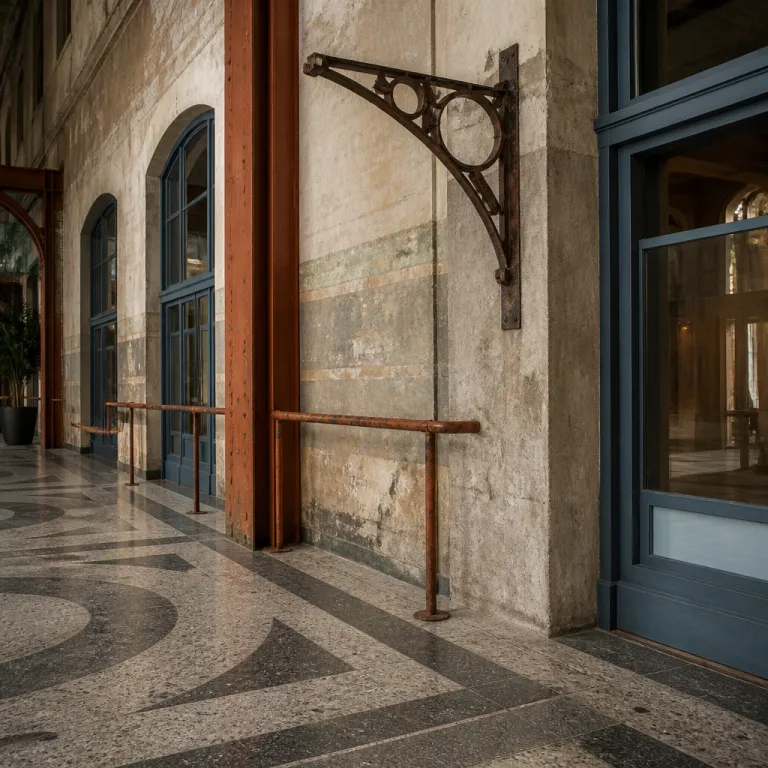
Palacio Bellas Artes San Sebastian palace hotel: cinema heritage reborn
Palacio Bellas Artes San Sebastián palace hotel stands on Calle Urbieta, close to the Urumea riverfront, as a rare example of a former cinema reborn as a luxury star hotel. The original architect Ramón Cortázar is widely credited with shaping this palacio in a Beaux Arts language that helped define the character of the city, and Hilton Hotels has now turned it into an 81 room address under the Curio Collection flag without erasing that past. According to the hotel’s own background material, the project was developed with Grupo SADE, the company that historically operated the cinema, so travelers choosing between historic hotels in San Sebastián Spain encounter a converted movie house with a clear narrative thread from silent film venue to contemporary palace style hospitality.
The building opened as a cinema and theater in 1914 and then closed in 1982, dates confirmed in the property’s official history, leaving one of San Sebastián’s key cultural façades dark for four decades. A four year renovation led by architect Ignacio Quemada, working alongside Grupo SADE, local artisans and cultural heritage experts, used structural reinforcement and careful architectural restoration to bring the dome, the front box lines and the bellas artes façade back to life. This adaptive reuse project aligns with wider trends in Spain where historic hotels in former civic buildings are driving luxury heritage tourism, but Palacio Bellas Artes feels unusually faithful to its original purpose as a place for spectators and city residents rather than a purely decorative shell.
The conversion keeps the spatial drama of a cinema rather than flattening it into anonymous corridors and standard rooms. Guest rooms are organized as a kind of vertical auditorium, with categories named Gallery, Amphitheatre and Grand Stalls, while the Cúpula Suite sits beneath the reconstructed dome like a private balcony over the city. Each room includes a site specific artwork by Basque artist Lander Andonegi, so the interiors become individual screening rooms for contemporary artes rather than generic hotel spaces, and the overall effect is closer to staying inside a curated cultural venue than a conventional chain property.
From auditorium to guest room: how theatrical DNA shapes the stay
Walking into Palacio Bellas Artes, you move along the same axis that once led cinemagoers from street to stalls. The lobby follows the old auditorium flow, guiding guests past the restored front box inspired volumes toward the lifts and up to rooms that still feel connected to the original bellas artes geometry. On my own arrival, stepping through the doors felt less like entering a standard lobby and more like joining a quiet queue for a premiere, the kind of detail solo travelers who value narrative rich hotels in San Sebastián tend to remember long after check out, especially when they are interested in architecture as much as amenities.
Hilton’s Curio Collection is designed for properties with strong local stories, and here the Curio concept is unusually literal. The Hilton team has kept the palacio’s shell intact while inserting contemporary comforts such as air conditioning, flat screen entertainment and high speed connectivity, so each air conditioned room includes the essentials without diluting the building’s character. In practical terms, that means rooms with high ceilings, tall windows over the city and a quiet acoustic that still recalls the hush before a film reel started to turn, even when the hotel is busy during the San Sebastián International Film Festival.
Inside, a typical room includes a large bed, a work surface and a seating area, plus a private bathroom with a walk in shower, free toiletries and a well lit mirror that feels closer to a backstage dressing room than a standard hotel washroom. Many rooms offer a flat screen television positioned so you can watch from bed, while tea coffee facilities allow you to prepare tea or coffee at your own pace rather than rely only on the bar. For travelers comparing palace style hotels in San Sebastián Spain, the combination of cinematic volume, thoughtful lighting and modern amenities positions this hotel palacio alongside other theater linked conversions such as the palace stay in Cleveland’s Playhouse Square, which you can explore in more depth in this guide to a palace in a historic theater district, even though the San Sebastián property remains distinctly Basque in mood.
Culinary stage, city context and what it means for palace hotel travelers
San Sebastián is one of Europe’s most concentrated culinary cities, and Palacio Bellas Artes leans into that reputation rather than outsourcing it. The in house restaurant Lotu is presented as a project led by Andoni Luis Aduriz, the two Michelin starred chef behind Mugaritz, and current hotel information describes this as his first restaurant inside a hotel rather than a standalone countryside destination. For guests, that means you can check into a palace style hotel in San Sebastián Spain and access a serious tasting menu experience without leaving the palacio or negotiating reservations across the city, though menus and chef involvement may evolve over time and should be checked when booking.
Beyond Lotu, the hotel’s lounge and bar treat coffee as part of the cultural program, serving carefully sourced beans alongside local pastries so mornings feel more like a neighborhood café than a generic lobby. Many rates include free Wi Fi, and some packages add free breakfast, but travelers should still check the price structure closely because dynamic pricing in San Sebastián can shift quickly around film festivals and peak summer dates. As a broad guide, sample nightly rates often start in the low to mid hundreds of euros for standard categories and rise for suites, though exact prices depend on season, demand and advance purchase conditions.
For palace hotel enthusiasts, Palacio Bellas Artes San Sebastián stands out from other openings because it respects the building’s original function as a place of spectatorship rather than simply using a historic shell as décor. The project echoes other heritage conversions covered by Palace Stay, from a match day palace experience in London’s football district to the Shanghai inspired residence in Arcadia, profiled in this Shanghailander palace review, yet it remains rooted in artes san traditions and Basque cinema history. Travelers interested in how palace hotels intersect with sport, culture and urban life can also look at this matchday palace travel feature, which, like Palacio Bellas Artes in San Sebastián, shows how a city’s entertainment architecture can evolve into a new kind of hospitality stage that still invites people to watch, gather and linger.
Practical details for booking this former cinema palace
Palacio Bellas Artes San Sebastián palace hotel operates under the San Sebastián Curio flag, formally known as part of the Curio Collection by Hilton, which allows guests to earn and redeem points while staying in a one off historic building. The Hilton affiliation also brings consistent service standards, from a staffed front desk that functions as a modern front box office to multilingual concierges who understand both the film history and the current restaurant scene. When you check availability, you will see a range of rooms and suites, and it is worth comparing categories because some Gallery rooms feel more intimate while Grand Stalls layouts offer more generous floor space and different outlooks over the surrounding streets.
Each air conditioned room includes a safe, a minibar and a flat screen television, plus a private bathroom with a rainfall shower or bathtub, hairdryer and free toiletries that align with the star hotel positioning. Many rooms provide tea coffee making facilities, and some higher categories add a coffee machine, which is useful if you prefer to prepare coffee before heading out into the city. Wi Fi is typically free throughout the hotel, but guests should always check the latest policy when booking because packages in Spain can vary between room only, bed and breakfast and half board, and inclusions sometimes change between promotional offers.
The palacio’s location in central San Sebastián places it within minutes walk of the main railway hub, Estación del Norte, the river and the principal shopping streets, so solo travelers can move easily between the hotel, the old town pintxo bars and the beaches without relying on taxis. For those comparing hotels across San Sebastián Spain, the key differentiator here is the fusion of cinema heritage, contemporary artes programming and palace level comfort rather than the absolute lowest price. As the official material notes, “What was Palacio Bellas Artes originally? A cinema and theater inaugurated in 1914. When did the building close as a cinema? In 1982. Who led the recent renovation? Hilton Hotels, in partnership with Grupo SADE,” a concise summary that underlines how this address has shifted from film screen to guest room while keeping its original storyline intact.