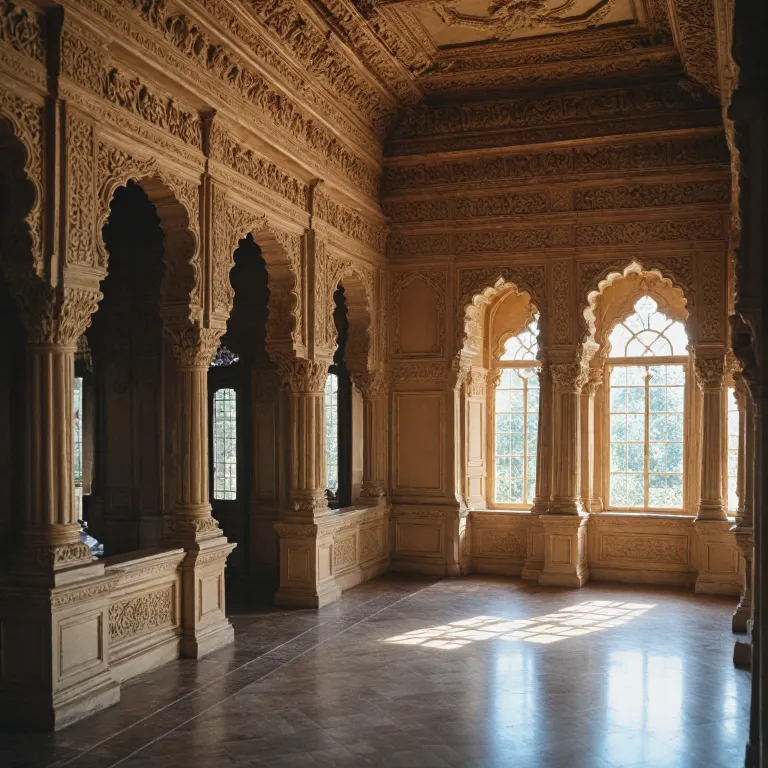
Unveiling India's regal heritage: the allure of palace hotels
India's palaces are more than architectural marvels; they are living testaments to centuries of royal history. The transformation of these palaces into luxury hotels has created a unique opportunity for travelers to immerse themselves in the opulence once reserved for maharajas and their families. From the pink-hued grandeur of Jaipur's Rambagh Palace to the shimmering Taj Lake Palace floating on Udaipur's Lake Pichola, each palace hotel offers a distinct narrative woven into the fabric of India's heritage.
Staying in these palaces means experiencing the best of Indian hospitality, where every detail is meticulously curated. The Taj group, renowned for its expertise in managing palace hotels, ensures that guests enjoy a seamless blend of tradition and modern comfort. The Oberoi Udaivilas, for example, is celebrated for its sprawling courtyards, intricate art, and serene swimming pools, all set against the backdrop of Rajasthan's vibrant culture. These palace hotels are not just accommodations; they are gateways to India's royal past, offering guests the chance to learn about the art, architecture, and customs that have shaped the nation.
With over 50 palace hotels across India, travelers can choose from a variety of experiences. Whether it's the imposing fort-like Umaid Bhawan Palace in Jodhpur or the ethereal Taj Falaknuma Palace in Hyderabad, each property tells its own story. The preservation and restoration of these palaces, often led by local artisans and heritage experts, ensure that every stay is both luxurious and authentic. For those seeking the best palaces to stay in India, these iconic hotels promise memories that linger long after the journey ends.
Iconic palace hotels: where history meets luxury
Among the best palaces to stay in India, certain names stand out for their legendary status and exceptional service. The Taj Lake Palace, built in the eighteenth century, is a vision in white marble, surrounded by the tranquil waters of Lake Pichola. Its rooms and suites offer panoramic views of Udaipur's cityscape, while the palace's heritage is reflected in every ornate detail. The Oberoi Udaivilas, another jewel in the crown of Indian hospitality, is renowned for its lush gardens, reflecting pools, and exquisite dining experiences.
Jaipur, known as the Pink City, is home to the majestic Rambagh Palace. Once the residence of the Maharaja of Jaipur, this palace hotel is a masterpiece of Rajput architecture. Guests can stroll through marble corridors, relax in lavish rooms, and enjoy the royal gardens that have witnessed centuries of history. The Rajmahal Palace, also in Jaipur, offers a more intimate experience, with its art deco interiors and personalized service. For those interested in exploring more options, the luxury hotels in Jaipur provide a comprehensive guide to the city's finest accommodations.
In Hyderabad, the Taj Falaknuma Palace stands as a testament to the city's rich heritage. Restored under the guidance of Princess Esra, this palace hotel features Venetian chandeliers, grand staircases, and a library modeled after Windsor Castle. The Umaid Bhawan Palace in Jodhpur, still partly occupied by the royal family, offers guests a chance to experience regal living amidst art deco splendor. Each of these palace hotels exemplifies the best palaces to stay in India, blending historical significance with contemporary luxury.
Rooms, suites, and royal amenities: what to expect
Palace hotels in India are renowned for their lavish rooms and suites, each designed to reflect the grandeur of a bygone era. The Taj group and Oberoi hotels have mastered the art of combining heritage aesthetics with modern amenities, ensuring that every guest enjoys comfort without compromise. Rooms often feature hand-painted frescoes, antique furnishings, and views of lush gardens or shimmering lakes. The swimming pools at properties like the Oberoi Udaivilas and Leela Palace are destinations in themselves, offering a tranquil escape after a day of exploration.
Many palace hotels offer family-friendly accommodations, with spacious suites and activities tailored for all ages. "Are these palace hotels suitable for families? Yes, many offer family-friendly amenities and activities." This commitment to hospitality ensures that everyone, from couples to multi-generational families, can enjoy the royal experience. For those seeking a deeper connection to India's heritage, guided tours of the palaces are often available. "Do these hotels offer guided tours of the property? Most palace hotels provide guided tours to showcase their history and architecture."
Dining in palace hotels is an experience in itself, with chefs crafting menus that celebrate regional flavors and international cuisine. Guests can savor meals in grand dining halls or enjoy private dinners under the stars. The best palaces to stay in India also offer wellness centers, art galleries, and curated cultural performances, ensuring a holistic and memorable stay. For more inspiration on planning your journey, explore the top heritage hotels in India for a curated selection of exceptional palace hotels.
Planning your stay: tips for booking the best palace hotels
Securing a room in one of India's best palace hotels requires thoughtful planning, especially during peak travel months such as October and November. "The ideal time is between October and March when the weather is pleasant." Booking well in advance is highly recommended, as these iconic properties are in high demand among both domestic and international travelers. Many palace hotels offer exclusive packages that include guided tours, spa treatments, and cultural experiences, providing added value for guests seeking a comprehensive stay.
When selecting a palace hotel, consider the unique features of each property. The Taj Mahal Palace in Mumbai, while not a traditional palace, is an architectural icon and part of the Taj group's prestigious portfolio. In Rajasthan, the Umaid Bhawan Palace and Rambagh Palace are celebrated for their historical significance and luxurious amenities. For those drawn to lakeside serenity, the Taj Lake Palace and Leela Palace in Udaipur offer breathtaking views and world-class service. The Oberoi Udaivilas, with its intricate art and expansive grounds, is ideal for travelers seeking tranquility and elegance.
Respect for the cultural and historical significance of these palaces is paramount. Guests are encouraged to learn about the heritage of each property and participate in activities that support local communities.
The art of restoration: preserving India's royal legacy
The conversion of royal residences into palace hotels is a delicate process that balances preservation with innovation. Heritage conservation techniques, collaboration with luxury hotel chains, and the expertise of local artisans are essential to maintaining the integrity of these historic structures. The restoration of Falaknuma Palace in Hyderabad, overseen by Princess Esra, is a prime example of how meticulous attention to detail can revive a palace's former glory while introducing modern comforts.
Each palace hotel tells a story through its architecture, art, and furnishings. The Umaid Bhawan Palace in Jodhpur, built in the early twentieth century, showcases art deco influences alongside traditional Rajasthani motifs. The Rambagh Palace in Jaipur, originally constructed as a royal hunting lodge, has evolved into a symbol of luxury and refinement. The Oberoi Udaivilas, inspired by the grand palaces of Mewar, integrates water features and courtyards to create a sense of serenity and grandeur.
Preserving these palaces is not only about maintaining physical structures but also about safeguarding intangible heritage. Cultural performances, art exhibitions, and culinary festivals hosted by palace hotels contribute to the ongoing celebration of India's royal traditions. The best palaces to stay in India are committed to sustainability and community engagement, ensuring that future generations can continue to experience the magic of these extraordinary hotels.
Experiential travel: weddings, events, and cultural immersion
The rise in demand for experiential travel has positioned palace hotels as premier venues for destination weddings, corporate events, and cultural celebrations. The grandeur of settings like the Taj Falaknuma Palace or the Leela Palace in Udaipur provides an unforgettable backdrop for special occasions. With expert event planning teams and bespoke services, these hotels transform dreams into reality, whether it's a lavish wedding or an intimate family gathering.
Guests seeking cultural immersion can participate in traditional ceremonies, art workshops, and culinary classes offered by many palace hotels. The Oberoi Udaivilas and Taj group properties frequently host performances of classical music and dance, allowing visitors to engage with India's rich artistic heritage. The swimming pools, spas, and wellness centers at these hotels provide relaxation and rejuvenation, complementing the vibrant cultural experiences available on-site.
Palace hotels also play a vital role in promoting local artisans and preserving traditional crafts. Through curated shopping experiences and partnerships with regional artists, guests can take home a piece of India's heritage. The best palaces to stay in India are more than places to sleep; they are immersive destinations that celebrate the country's diversity and creativity.
Choosing your palace: regional highlights and practical advice
India's palace hotels are spread across diverse regions, each offering a unique perspective on the country's royal legacy. In Rajasthan, the pink city of Jaipur boasts the Rambagh Palace and Rajmahal Palace, both renowned for their elegance and historical significance. Jodhpur's Umaid Bhawan Palace, set against the backdrop of the majestic Mehrangarh Fort, offers panoramic views and unparalleled luxury. Udaipur, with its iconic Taj Lake Palace and Oberoi Udaivilas, is a haven for those seeking romance and tranquility by the water.
Hyderabad's Taj Falaknuma Palace invites guests to step into the world of the Nizams, with its opulent interiors and sweeping city views. The Leela Palace in Udaipur and other palace hotels managed by the Taj group and Oberoi hotels exemplify the highest standards of service and hospitality. When planning your visit to India, consider the climate, local festivals, and special events that may enhance your experience. Booking during October or November allows you to enjoy pleasant weather and vibrant cultural festivities.
With an average occupancy rate of 70 percent, palace hotels in India are popular choices for discerning travelers. Heritage tourism contributes significantly to the country's economy, reflecting the enduring appeal of these magnificent properties. Whether you are seeking a romantic escape, a family adventure, or a cultural journey, the best palaces to stay in India promise an experience that is both luxurious and deeply enriching.
Key statistics on palace hotels and heritage tourism in India
- Number of palace hotels in India: 50 hotels
- Average occupancy rate of luxury hotels in India: 70%
- Contribution of heritage tourism to India's GDP: 2.1%
Frequently asked questions about palace hotels in India
What is the best time to visit these palace hotels?
The ideal time is between October and March when the weather is pleasant.
Are these palace hotels suitable for families?
Yes, many offer family-friendly amenities and activities.
Do these hotels offer guided tours of the property?
Most palace hotels provide guided tours to showcase their history and architecture.