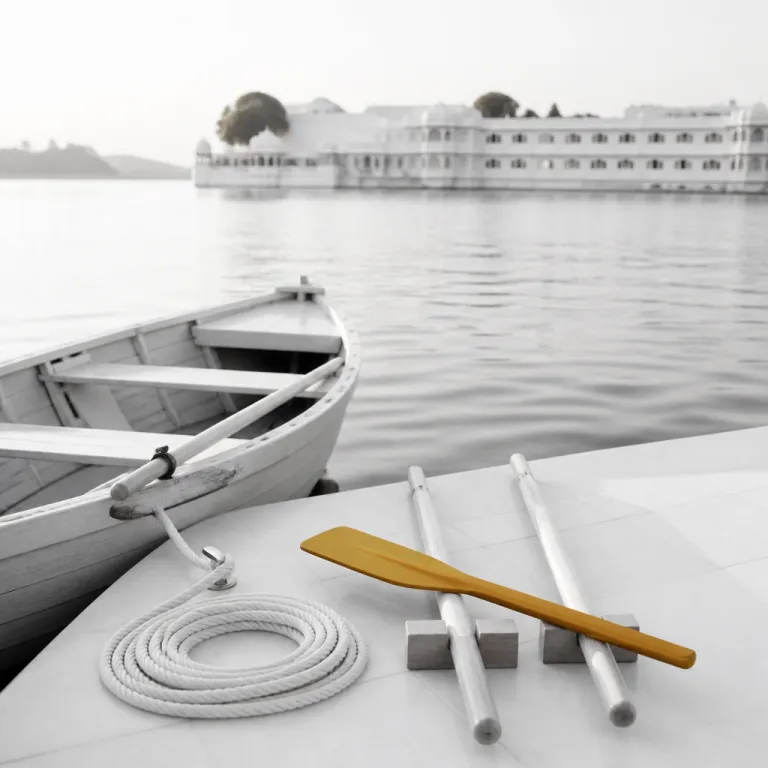
Why the lake palace hotel in Udaipur defines serene royal living
The lake palace hotel on Jag Niwas Island feels like a mirage rising from water. Floating on Lake Pichola in Udaipur, India, this former royal residence now operates as a meticulously restored luxury hotel under Taj Hotels. Guests arrive by private boat, watching the white marble façade glow softly against the Aravalli hills and the city skyline, a scene often captured in classic images of Udaipur’s lakefront.
This palace hotel was originally commissioned by Maharana Jagat Singh II of Mewar as a summer retreat, and the building still reflects the quiet power of a royal lake residence. The conversion into a Taj Hotels lake palace respected the original layout, so courtyards, colonnades, and pavilions remain aligned with the lake breezes. For travellers comparing hotels in Udaipur, this property stands apart because it is both a functioning hotel and a living fragment of palace history, with staff trained to share stories about the Mewar dynasty and the island’s past.
Across roughly 4 acres, the lake palace combines around 83 rooms and grand suites with intimate corners that feel almost private. Many suites frame the City Palace and the city skyline, while others face the open Lake Pichola and distant hills. For a stay that balances privacy, attentive service, and proximity to key places to visit, this palace Udaipur address consistently ranks among the most distinctive hotels Taj Hotels operates in India, especially for honeymoons, milestone celebrations, and small destination weddings.
From royal island retreat to Taj lake palace icon
The story of this lake palace began when Maharana Jagat Singh II, the 62nd custodian of the Mewar dynasty, chose Jag Niwas Island as his personal refuge. Built between 1743 and 1746, the palace evolved from an intimate royal residence into a symbol of Udaipur, India, as a romantic lake city. Its position in the middle of Lake Pichola allowed the maharana to enjoy privacy while still watching the life of the City Palace complex on the shore, including ceremonial processions and evening aarti at the ghats.
When Taj Hotels took over management in 1971, the objective was clear: preserve the royal character while introducing the comforts expected from a modern five-star luxury hotel. Restoration relied on traditional craftsmanship to stabilise white marble walls, repair jharokha balconies, and revive hand-painted ceilings. At the same time, Taj Hotels integrated climate control, discreet technology, and refined dining so that the palace hotel could compete with the best hotels in India without losing its soul; the management team still references original architectural drawings when planning upgrades.
Travellers interested in how palaces become contemporary retreats can look at broader luxury trends, such as those analysed in recent palace openings in Europe. In Udaipur, the adaptive reuse of this lake palace has also supported heritage tourism and the local economy, with many staff members coming from long-established families in the city. The result is a stay Taj guests describe as both royal and intimate, where the history of Maharana Pratap and later rulers feels present but never staged, and where returning visitors often request the same butler or boatman by name.
Architecture, suites, and subject availability at the lake palace hotel
Architecturally, the lake palace hotel is a study in symmetry, water, and light. White marble courtyards open towards Lake Pichola, while carved stone screens filter the strong Rajasthani sun into soft patterns. At night, the palace seems to float, with reflections linking the hotel to the city and the surrounding palaces on the shore; photographers often favour the blue hour, when the façade and the lake share the same twilight tones.
Inside, rooms and grand suites vary in layout, yet all maintain a dialogue between royal heritage and contemporary comfort. Some suites feature arches framing the City Palace and the distant Aravalli range, while others open directly towards the lake palace gardens and inner courtyards. When you check subject availability for specific categories, pay attention to whether you prefer sunrise views over the lake or sunset vistas towards Udaipur city and its palaces, and note that named suites such as the Grand Royal Suite or the Palace Rooms often sell out first.
The conversion from royal residence to luxury hotel has been widely cited as an example of adaptive reuse done with respect, similar to the principles outlined for any careful palace conversion. Traditional artisans restored frescoes and stonework using historic methods, while Taj Hotels integrated modern amenities almost invisibly, from underfloor wiring to concealed air-conditioning vents. This balance allows guests to stay Taj style, enjoying five-star comfort without losing the sense of walking through the private world of Maharana Jagat Singh and his successors, with original courtyards now serving as quiet reading corners or evening cocktail venues.
Dining, breakfast rituals, and Indian flavours on Lake Pichola
Food is central to the experience at the lake palace hotel, because dining here is as much about setting as cuisine. Morning breakfast on a terrace facing Lake Pichola feels unhurried, with the City Palace and distant ghats slowly coming to life across the water. Many guests choose to extend their stay simply to repeat this ritual of watching boats glide past while sipping masala chai, freshly pressed juices, or traditional poha served on fine china.
The signature Indian restaurant, Neel Kamal, focuses on regional recipes from Rajasthan and other parts of India, served in a setting that recalls a royal dining room. Candlelight reflects off white marble columns, while musicians perform traditional melodies that once entertained the Mewar court. One guest from Mumbai noted in the hotel’s comment book that dinner here felt “like stepping into a quiet chapter of Udaipur’s history, with every course telling a story.” For travellers comparing hotels in Udaipur, this combination of serious Indian cuisine and palace atmosphere often becomes the deciding factor, especially when paired with seasonal tasting menus or thali-style feasts.
Beyond Neel Kamal, the hotel offers private dining on terraces, jetties, and even small boats on the lake, subject to availability and weather. Seasonal offers sometimes include curated tasting menus inspired by royal banquets hosted by Maharana Pratap and later rulers, or candlelit dinners timed with fireworks during festival periods. Whether you choose a simple breakfast, a relaxed lunch, or a formal dinner, the lake palace setting turns each meal into one of the defining experiences of your stay, and advance requests help the team personalise menus around dietary preferences.
Planning your stay Taj style at the lake palace hotel
Reaching the lake palace hotel requires a short boat transfer, because the palace stands entirely surrounded by Lake Pichola. Guests usually embark from a private jetty near the City Palace, which makes arrival feel ceremonial rather than routine. This separation from the city creates a sense of retreat, yet Udaipur’s main places to visit remain only a few minutes away by boat, with typical transfer times often under 10 minutes depending on lake conditions.
When planning your stay Taj style, consider how many nights you need to balance rest with exploration of Udaipur, India. A two-night stay allows time for the lake palace itself, a guided visit to the City Palace, and a sunset cruise on Lake Pichola past other palaces and havelis. With three nights, you can add excursions related to Maharana Pratap and the Mewar dynasty, along with time to enjoy the spa, pool, and quieter corners of the hotel, such as the lily pond courtyard or the rooftop terraces used for stargazing.
Advance booking is strongly recommended, because grand suites and lake-facing rooms often have limited subject availability during peak seasons. Many travellers coordinate stays at multiple hotels Taj Hotels operates across India, using this palace hotel as the highlight of a longer itinerary. For inspiration on how palace stays fit into wider luxury travel patterns, you can explore this analysis of how palace experiences shape modern luxury journeys, then contact the hotel reservations team to align dates, room categories, and special celebrations.
Context, heritage, and what makes this palace hotel unique
The lake palace hotel is more than a photogenic property; it is a carefully preserved fragment of Mewar heritage. Built as a royal palace by Maharana Jagat Singh II, it later became a symbol of how historic palaces can support cultural preservation and tourism. The partnership with Taj Hotels has ensured that restoration, staffing, and operations respect both the building and the wider community in Udaipur city, with regular training programmes for local artisans and hospitality students.
Within the broader story of Udaipur, India, the palace on Jag Niwas Island forms a visual triangle with the City Palace and other palaces around Lake Pichola. Guests often combine a stay here with visits to nearby sites associated with Maharana Pratap and later rulers, deepening their understanding of Rajput history. The hotel’s white marble architecture, reflected in the lake at sunrise and sunset, has become one of the most recognisable images of Indian luxury travel, frequently appearing on postcards, film sets, and destination wedding photographs.
For travellers comparing hotels in Udaipur, the key difference lies in how this palace hotel blends seclusion, history, and service. It functions as a five-star luxury hotel, yet every corridor, courtyard, and terrace still speaks of royal life on the lake. As the official description notes, “Built between 1743–1746 as a royal summer palace; converted to hotel in 1971,” and that continuity of purpose is what makes a stay here feel genuinely timeless, especially when you arrive by boat at dusk and see the palace illuminated against the darkening hills.
Key figures and statistics about the lake palace hotel
- The lake palace occupies approximately 4 acres on Jag Niwas Island in Lake Pichola, giving it a compact yet spacious footprint compared with many urban palace hotels in India; the layout keeps most public areas facing the water.
- The property offers around 83 rooms and suites, which allows for personalised service levels that are difficult to maintain in much larger hotels in Udaipur, including dedicated butlers for select suite categories.
- Boat transfer time from the City Palace jetty to the lake palace hotel is typically under 10 minutes, so guests enjoy island seclusion without sacrificing quick access to the city, even when attending events or sightseeing.
- The palace’s position in the middle of Lake Pichola provides uninterrupted water views on all sides, a feature that very few other palaces or hotels Taj Hotels manage to replicate, and which contributes to its reputation as one of India’s most romantic island retreats.
FAQ about the lake palace hotel in Udaipur
What is the history of the lake palace hotel in Udaipur ?
The property began as a royal summer palace built by Maharana Jagat Singh II on Jag Niwas Island in Lake Pichola. It served as a private retreat for the Mewar rulers before being carefully restored and converted into a luxury hotel under the management of Taj Hotels in 1971. This transformation allowed the palace to remain active and maintained while welcoming guests from around the world, rather than becoming a static museum.
How can guests reach the lake palace hotel on Lake Pichola ?
The lake palace hotel is accessible only by boat, because it stands entirely surrounded by Lake Pichola. Guests usually board a dedicated launch from a private jetty near the City Palace complex in Udaipur. The short transfer functions as both transport and a first glimpse of the palace rising from the lake, and staff are on hand at both jetties to assist with luggage and check-in formalities.
What amenities does the lake palace hotel offer for a luxury stay ?
As a full-service luxury hotel, the palace offers refined rooms and grand suites, multiple dining venues including the Indian restaurant Neel Kamal, and curated cultural experiences. Guests can enjoy spa treatments, a lakeside pool, and private dining set-ups on terraces or boats, subject to availability and weather. The hotel also arranges guided visits to key places to visit in Udaipur, such as the City Palace and nearby heritage sites, and can coordinate boat rides timed with sunset or festival fireworks.
Why is advance booking recommended for the lake palace hotel ?
Advance booking is advised because the number of rooms and suites is limited, and demand for lake-facing categories is consistently high. Peak travel periods in Udaipur, India, including festival seasons and popular wedding dates, can see grand suites reserved months ahead. Securing your stay Taj style early also helps you access preferred offers and tailor experiences around your interests, from anniversary dinners to private heritage walks.
What makes the lake palace hotel different from other palaces and hotels in Udaipur ?
The main distinction is its location on an island in the middle of Lake Pichola, which creates a sense of floating seclusion. Unlike many palaces on the shore, this property combines uninterrupted water views with quick boat access to the City Palace and other attractions. Its continuous link to the Mewar dynasty, from Maharana Jagat Singh II to the present, gives the hotel a depth of history that few other hotels Taj Hotels can match, making it a preferred choice for travellers seeking an authentic yet indulgent palace stay.